Introduction to Yogurt with Fruit
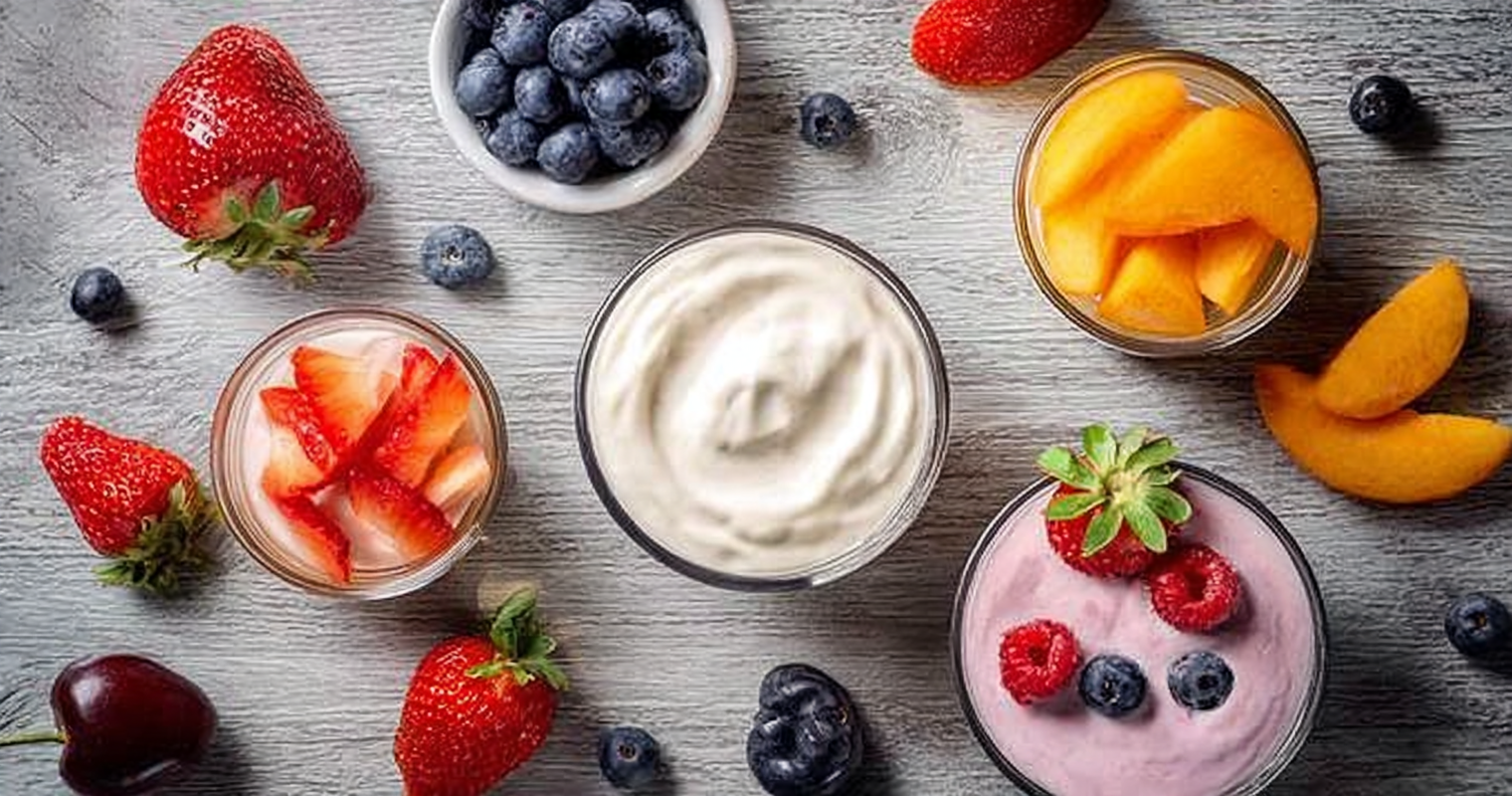
Yogurt with fruit is more than just a snack; it’s a delightful fusion of creamy, tangy yogurt and the natural sweetness of fresh fruits. This combination is cherished across cultures, from the Mediterranean to breakfast tables in Japan, as both a nourishing breakfast and a refreshing snack. Its versatility is a significant factor in its growing popularity. Whether you prefer the classic pairing of strawberries with yogurt or something more adventurous like kiwi and lime, yogurt and fruit can please any palate.
Not only does this dish intrigue the taste buds, but it also packs a punch in terms of nutrition. Yogurt is a rich source of protein and probiotics, which are beneficial for gut health, while fruits provide essential vitamins and antioxidants. Together, they create a balanced option that many people gravitate toward as it caters to their dietary needs and lifestyle.
Benefits of Homemade Yogurt
Making yogurt at home comes with myriad benefits. First and foremost, you gain complete control over the ingredients, ensuring that you steer clear of preservatives and artificial additives often found in store-bought varieties. Moreover, homemade yogurt tends to be richer in probiotics, granting you a healthier alternative that contributes positively to your gut microbiome.
When you make yogurt yourself, you can customize the flavor and texture to your liking. Some prefer a thick and creamy texture, while others might enjoy something lighter. From a cost perspective, homemade yogurt can also be much cheaper than purchasing it in-store, especially if you regularly enjoy yogurt as part of your diet.
Ingredients You’ll Need
Preparing yogurt with fruit is simple when you have the right ingredients. Here’s what you need:
- Milk – The base for your yogurt, avoid ultra-pasteurized milk for the best results.
- Yogurt Culture – This is your starter, packed with healthy bacteria that ferment the milk and transform it into yogurt.
- Fresh Fruits – Ideal for sweetening and flavoring your yogurt. Choose seasonal varieties for the best taste.
- Honey – A natural sweetener that enhances the flavor without overpowering the fruit.
- Spices – Optional, but adding a pinch of cinnamon or vanilla can elevate your creation.
See the recipe card below for the full list of ingredients and measurements.
Step-by-Step Instructions
Creating your own yogurt with fruit begins with making the yogurt base. Here’s how to do it:
- Prepare the Milk – Start by gently heating the milk in a saucepan over medium heat until it reaches about 180°F (82°C) to denature the proteins. This step helps achieve a thicker consistency.
- Cool the Milk – Remove the saucepan from the heat and let the milk cool down to approximately 110°F (43°C).
- Add the Yogurt Culture – Once the milk cools, stir in your packet of yogurt culture until fully dissolved.
- Incubate the Yogurt – Pour the mixture into a yogurt maker or a jar and place it in a warm location for about 4 to 12 hours, depending on how tangy you prefer your yogurt.
- Refrigerate – After incubation, transfer the yogurt to the fridge to set and cool for at least two hours.
Once the yogurt is ready, it’s time to pair it with fresh fruits of your choice. You can slice up bananas, mix in berries, or even create a tropical blend with mango and pineapple. The addition of fruit adds color, texture, and a burst of flavor that elevate the yogurt experience.
Creative Flavor Combinations
While traditional fruit pairings are delicious, don’t shy away from exploring unique combinations that could surprise your taste buds!
- Mango and Chili – The sweet and heat combo creates a tantalizing contrast that is refreshing yet exciting.
- Berry and Mint – A classic mix; the mint provides a refreshing lift to the sweetness of mixed berries.
- Peach and Almond – Use diced peaches topped with a sprinkle of almond slivers for a nice crunch.
- Pineapple and Coconut – For a tropical flair, blend sweet pineapple chunks with shredded coconut.
Try experimenting with flavors by adding fruit to a delicious yogurt chia pudding for a nutritious boost.
Tips for Customization
One of the best parts about making yogurt with fruit is the customization! Here are some options to elevate your creation further:
- Dairy-Free Options – If you’re lactose intolerant or prefer non-dairy, use coconut, almond, or soy milk to create your yogurt.
- Add Crunch – Incorporate granola, seeds, or nuts to lend an appealing crunch and additional nutrients.
- Adjust Sweetness – Experiment with natural sweeteners like agave or maple syrup if honey isn’t your preference.
- Flavor Infusions – Try adding a few drops of vanilla extract or a sprinkle of cinnamon to change the flavor profile altogether.
For added crunch, top your yogurt with fruit with a homemade granola bowl mixture.
Serving Suggestions
Presentation is key when serving yogurt with fruit. Here are some serving suggestions for various occasions:
- Breakfast Parfaits – Layer yogurt with fruit and granola in a tall glass for a stunning breakfast treat.
- Bowl Style – Serve in a simple bowl, embellishing with extra fruits and a drizzle of honey on top.
- Pancake Toppings – Consider using yogurt and fruit as a delicious topping for pancakes or waffles.
For an elegant touch, consider serving your yogurt with fruit in a stunning yogurt parfait.
Nutritional Information
Yogurt with fruit not only pleases the palate but also nourishes the body. Here’s a quick breakdown:
- Protein – Supports muscle growth and keeps you feeling fuller for longer.
- Vitamins – Fruits are rich in vitamins A and C, essential for immune support and skin health.
- Fiber – Many fruits provide fiber, aiding digestion and keeping your gut happy.
Overall, this combination offers a well-rounded source of nutrition that can fuel your day.
Frequently Asked Questions
What is the best fruit to add to yogurt? Juicy fruits like orange slices, ripe peaches, and purple grapes work wonderfully. My favorites are orange slices for their sweetness and how they blend well!
Can I use store-bought yogurt to make this recipe? Absolutely! You can start with store-bought yogurt as a starter culture to make your own batch at home.
How long can I store homemade yogurt? Homemade yogurt can typically be stored in the fridge for about 1-2 weeks. Just make sure to keep it in an airtight container!
Can I customize the sweetness in the recipe? Yes! You can adjust the sweetness by adding more or less honey or using different fruits to suit your taste.
Is it possible to make yogurt without a yogurt maker? Definitely! You can use a warm spot in your kitchen or an insulated container to maintain the right temperature for yogurt making.