

Introduction to Roasted Vegetables
In the world of contemporary cooking, roasted vegetables have emerged as a beloved favorite among health-conscious eaters and culinary enthusiasts alike. The appeal of roasted vegetables lies not only in their delicious flavor but also in their incredible versatility, making them suitable for various dishes—from simple side options to star components in grain bowls and salads. They’re loved by everyone, from novice cooks to seasoned chefs, and they effortlessly add both color and nutrients to any meal.
Roasting brings out the natural sweetness of vegetables, enhancing their flavors while achieving a delightful caramelization that creates depth and texture. Whether it’s a hearty mix of root vegetables on a chilly evening or a lighter assortment of seasonal produce in the warmer months, roasting makes it easy for anyone to enjoy healthy eating without sacrificing flavor. Let’s dive deeper into why roasting is such a fantastic cooking method!
Why Roasting is the Best Method
When it comes to cooking vegetables, roasting is often considered the superior method. But why should you choose roasting over other techniques like steaming or boiling? The secret lies in the Maillard reaction, which occurs when foods are heated to high temperatures, leading to browning and the development of complex flavors. Roasted vegetables not only taste better, but they also boast a delightful texture that can significantly elevate your meal experience.
Comparatively, steaming may cook vegetables efficiently, but it can sometimes leave them with a muted flavor profile and a slightly soggy texture—especially if overcooked. Boiling, on the other hand, often leaches nutrients from vegetables into the cooking water, particularly water-soluble vitamins like vitamin C and some B vitamins. In contrast, roasting caramelizes the sugars in vegetables, intensifying their natural flavors while preserving more of their nutritional content. Research shows that roasting not only enhances taste but can also improve the absorption of essential nutrients, making it an excellent choice for health-conscious individuals.
Key Ingredients for Flavor
To create roasted vegetables that are absolutely irresistible, it’s essential to use the right ingredients and seasonings. Here are some key vegetables and flavor enhancers to consider:
- Carrots – Naturally sweet, they caramelize beautifully when roasted and add vibrant color to the dish.
- Potatoes – A hearty choice that provides a satisfying texture and pairs well with various herbs and spices.
- Sweet Potatoes – Their natural sweetness shines when roasted, making them a favorite among many.
- Brussels Sprouts – These tiny cabbages develop a nutty flavor and crispy texture, especially when browned well.
- Red Onions – Sweetens and becomes tender in the oven, providing a rich flavor base for the dish.
- Olive Oil – Used to coat the vegetables, it enhances flavor and helps achieve that perfect golden finish.
- Salt and Pepper – Essential for seasoning; use freshly cracked pepper for an aromatic touch.
- Balsamic Vinegar – A drizzle enhances the sweetness of roasted vegetables and adds a tangy depth of flavor.
- Feta Cheese – Adds a savory, creamy element that contrasts beautifully with the roasted veggies.
See the recipe card below for the full list of ingredients and measurements.
Step-by-Step Instructions
Follow this straightforward method to roast your vegetables perfectly:
- Preheat the Oven: Start by preheating your oven to a high temperature, around 425°F (220°C), to ensure a nice caramelization.
- Prepare the Vegetables: Wash and chop the vegetables into uniform sizes to ensure even cooking. Cut carrots into 2-inch pieces, potatoes and sweet potatoes into 1-inch cubes, and halved Brussels sprouts and onion wedges.
- Season: In a large mixing bowl, toss the vegetables with a generous drizzle of olive oil, a sprinkle of salt, freshly cracked black pepper, dark brown sugar, and balsamic vinegar. Ensure everything is well-coated.
- Arrange on Baking Sheet: Spread the seasoned vegetables out on a baking sheet in a single layer. This helps them roast evenly without steaming.
- Roast: Place the baking sheet in the oven and roast for about 30 to 35 minutes, stirring halfway through, until they are tender and nicely browned.
- Add Feta: In the last 5 minutes of roasting, sprinkle crumbled feta cheese over the vegetables so it can slightly melt and blend in without losing its shape.
- Serve and Enjoy: Remove the baking sheet from the oven, drizzle with additional balsamic vinegar if desired, and serve hot as a delightful side dish.
You can also make air fryer zucchini which complements any roasted vegetable dish beautifully.
Nutritional Benefits of Roasting Vegetables
Roasted vegetables not only tantalize your taste buds but are also a boon for your health. The roasting process preserves vitamins and minerals better than some other cooking methods, especially since it retains nutrients that might be lost in boiling water. For instance, while steaming can lead to leaching of valuable nutrients, roasting helps maintain more fiber and essential vitamins.
Moreover, the caramelization achieved through roasting can make vegetables more palatable, particularly for picky eaters. A vegetable like Brussels sprouts, often disliked in its raw form, transforms into a crispy and flavorful treat when roasted. Additionally, the fiber content in roasted vegetables promotes digestive health, making them a healthy addition to any meal.
Serving Suggestions for Your Roasted Vegetables
Now that you’ve made a delicious batch of roasted vegetables, it’s time to think about how to serve them. Here are some creative and appealing ways:
- Add roasted vegetables to a salad for a nutrient-packed meal. Toss them with mixed greens, nuts, and your favorite vinaigrette.
- Layer them into grain bowls, combining with quinoa or couscous, chickpeas, and a dollop of yogurt or tahini dressing for a fulfilling dish.
- Use them as a vibrant side dish next to your favorite proteins, whether it be chicken, fish, or even a vegetarian option.
- Consider drizzling them with a flavorful balsamic glaze or lemon yogurt dressing for an added touch of zest.
- For a Mediterranean twist, serve them alongside a refreshing Mediterranean pasta salad.
Variations and Add-Ons
The beauty of roasted vegetables lies in their adaptability—feel free to experiment! Here are a few ways to customize your dish:
- Add a sprinkle of cheese, like parmesan or goat cheese, for a creamy finish that can elevate the flavors.
- Toss in some nuts, such as walnuts or pine nuts, for added crunch and a dose of healthy fats.
- Experiment with various herbs and spices like rosemary, thyme, or even a hint of chili powder or curry powder for a different flavor profile.
- Consider combining seasonal vegetables for a vibrant, colorful platter that celebrates the best of each season. For example, an autumn blend of squash and root vegetables is fantastic.
For a spicy twist, try adding harissa roasted vegetables to your dish.
FAQs About Roasted Vegetables
How can I prevent my roasted vegetables from becoming soggy?
To prevent sogginess, make sure to spread the vegetables out in a single layer on the baking sheet and avoid overcrowding. Also, ensure they are well dried before seasoning and roasting, and try roasting at a higher temperature.
What are the best vegetables to roast?
Great options for roasting include carrots, potatoes, sweet potatoes, Brussels sprouts, bell peppers, zucchini, and red onions. They all hold up well to roasting and develop wonderful flavors!
Can I use frozen vegetables for roasting?
Yes, you can use frozen vegetables, but they may release more moisture. Be sure to thaw them and pat them dry before roasting to achieve a better texture.
How long do roasted vegetables last in the fridge?
Roasted vegetables can last in the fridge for about 3 to 5 days. Just store them in an airtight container to keep them fresh.
Can I customize the recipe with different seasonings?
Absolutely! Feel free to experiment with various herbs, spices, or even add cheese or nuts. This recipe is very flexible, and you can adjust it to match your taste preferences!
Conclusion and Final Thoughts
Roasted vegetables are not just a side dish—they’re an experience of flavor and nourishment that can enhance any meal. Their versatility allows you to create countless combinations tailored to seasonal produce, personal preferences, or dietary needs. By following the steps to roast vegetables perfectly and experimenting with flavors, you can transform simple ingredients into a delightful dish that brings joy to your table.
So, gather some fresh vegetables and get roasting! Share your delicious creations and any unique combinations you try; I’d love to hear from you! Don’t forget to engage with the blog through comments and social sharing, as we embark together on this culinary journey.
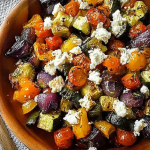
Irresistible Roasted Vegetables with Feta
Ingredients
Vegetables
- 3 carrots cut into 2-inch pieces
- 4 medium potatoes cut into 1-inch cubes
- 1 large sweet potato cut into 1-inch cubes
- 12 brussels sprouts halved
- 1 large red onion cut into 1-inch wedges
Seasonings
- 1/4 cup olive oil I use extra virgin for better flavor
- black pepper to taste freshly ground preferred
- 2 tbsp dark brown sugar
- 2 tbsp balsamic vinegar
- salt to taste
- balsamic vinegar for drizzling
- 1/4 cup feta cheese crumbled