

Introduction to Korean Vegetable Pancakes (Yachaejeon)
Welcome to the world of Korean cuisine, where vibrant flavors and colorful dishes take center stage.
One such dish that perfectly embodies this culinary delight is the Korean vegetable pancake, known as
Yachaejeon. This beloved dish is not only appreciated for its crisp texture and fresh ingredients,
but it also carries significant cultural importance in Korea.
Yachaejeon are traditionally served during various Korean festivals and holidays, such as Chuseok,
a harvest celebration, reflecting the Korean belief in honoring the bountiful gifts of nature and
the importance of family gatherings. These pancakes can be easily whipped up in the comfort of your
home, allowing you to indulge in the authentic flavors of Korea while enjoying a delightful cooking experience.
The charm of Yachaejeon lies in its versatility and the use of seasonal vegetables. Typically made
from a mixture of flour, water, and a colorful array of fresh veggies, these pancakes perfectly balance
flavor and nutrition. Crispy on the outside and tender on the inside, they make for an exceptional snack,
a light meal, or a wonderful side dish.
In this article, we will take a comprehensive look at making the perfect Korean vegetable pancakes
from preparation to serving suggestions, ensuring you can easily replicate this delightful dish in your kitchen.
Ingredients Required
Before diving into the cooking process, it’s essential to gather all the necessary ingredients.
Here’s what you’ll need:
- Flour – the base of the batter that provides structure and helps achieve crispiness.
- Cornstarch – enhances the texture, making the pancakes extra crispy.
- Water – combines with the flour and cornstarch to create a smooth batter.
- Turmeric – adds a warm golden hue and a subtle earthy flavor to the batter.
- Salt – enhances the overall flavors of the pancake and the vegetables.
- Baking powder – helps in making the pancakes light and fluffy.
- Green onions – adds freshness and a mild onion flavor; cutting them short allows for even distribution in the batter.
- Red onion – contributes sweetness and vibrancy to the overall taste.
- Carrot – lends a slight crunch and sweetness, making each bite delightful.
- Red pepper – introduces a bit of color and a sweet, crisp flavor.
- Cabbage – offers a tender texture and balances the other veggies.
- Hot pepper – optional, for those who enjoy a spicy kick.
- Oil for frying – ensures the pancakes have a golden, crispy exterior.
- Soy sauce – a must for the dipping sauce, adding umami and saltiness.
- Rice vinegar – adds tang to the dipping sauce, complementing the savory flavors.
- Toasted sesame seeds – finish the dipping sauce with a nutty crunch.
- Chili flakes – enhance the heat in the sauce; adjust based on your spice preference.
- Sesame oil – adds a rich, aromatic quality to the dipping sauce.
See the recipe card below for the full list of ingredients and measurements.
Step-by-Step Instructions
Now, let’s get cooking! Follow these simple steps to create delicious Yachaejeon:
- Prepare the vegetables: Start by washing and cutting your vegetables. Slice the green onions into short bits, cut the red onion into thin slices, and chop the carrot and red pepper into thin strips. For the cabbage, ensure it’s finely shredded, and chop the hot pepper, if using, to add some heat.
- Make the batter: In a large mixing bowl, whisk together the flour, cornstarch, turmeric, salt, baking powder, and water. Mix until the batter is smooth and free of lumps. This batter will be your base for the pancakes.
- Combine the vegetables: Carefully fold in all the prepared vegetables into the batter. Ensure everything is well-coated; this will help create a flavorful pancake bursting with vegetable goodness.
- Prepare the dipping sauce: In a separate small bowl, combine soy sauce, sesame oil, rice vinegar, toasted sesame seeds, and chili flakes. Stir well and set aside to allow the flavors to meld.
- Heat the pan: Drizzle a bit of oil into a large frying pan and heat over medium heat. You want the oil hot enough that the batter sizzles when it touches the pan.
- Cook the pancakes: Spoon a portion of the vegetable batter into the hot pan, spreading it out to form a thin pancake. Cook until the bottom is golden brown and crispy (about 3–4 minutes). Carefully flip the pancake to cook the other side until golden and crisp, too.
- Repeat: Continue with the remaining batter, adding more oil as necessary to ensure that the pancakes don’t stick and remain crispy.
- Serve: Enjoy your delicious Yachaejeon warm, dipped in the prepared soy sauce mixture.
Dietary Variations and Modifications
One of the fantastic aspects of Yachaejeon is its adaptability. Here are some variations to consider
for different dietary needs:
- Gluten-free: Substitute the all-purpose flour with rice flour or a gluten-free flour blend to make this dish suitable for those with gluten sensitivities. Just ensure that all your other ingredients are also gluten-free.
- Vegan: Replace eggs with flax eggs (1 tablespoon of ground flaxseed mixed with 2.5 tablespoons of water) to bind the batter effectively, making it entirely plant-based.
- Low-carb: For a low-carb option, consider using almond flour in place of traditional flour and adjusting the amount of water as needed to maintain consistency.
- Protein additions: You can easily add cooked seafood like shrimp or crab, or even small pieces of tofu, to the batter for added protein. These should be chopped finely to ensure they incorporate well with the other ingredients.
If you’re looking for a gluten-free option, consider making some
Mediterranean Quesadillas with Spinach and Feta
instead.
Tips for Perfect Pancakes
Achieving the perfect Yachaejeon requires a few expert tips:
- Choice of pan: A non-stick skillet or well-seasoned cast-iron pan works best to create a crispy exterior.
- Oil temperature: Ensure the oil is hot enough before adding the batter. A drop of batter should sizzle when it hits the pan, indicating that it’s ready to cook.
- Cooking in batches: Do not overcrowd the pan. This allows each pancake to fry evenly and get plenty of crispy edges.
- Serving: Serve immediately after cooking for the best texture. If you have leftovers, reheat them in a warm pan to regain their crispiness.
- Fixing soggy batter: If you find your batter is too watery, add a bit more flour or cornstarch to thicken it up, ensuring the pancakes hold together when frying.
Serving Suggestions
These Korean vegetable pancakes can be enjoyed in various ways: either as a standalone snack or part
of a larger meal. Traditional serving options include dipping into soy sauce or a spicy sauce made
with gochujang (Korean chili paste).
For a refreshing side, try pairing your pancakes with a
Zesty Carrot and Cucumber Ribbon Salad
.
This bright salad complements the savory pancakes beautifully, adding a delightful crunch and balance.
Enhance your meal with some
Crispy Oven Fried Feta Rolls
as a delightful appetizer. The rich flavor of the feta pairs well with the lightness of the pancakes,
creating a delicious contrast in textures and tastes.
Nutritional Information and Health Benefits
For those interested in the nutritional aspects, Yachaejeon can be part of a healthy diet:
- Calories: Approximately 203 kcal per serving
- Fat: 5.1 g
- Carbohydrates: 34 g
- Protein: 5 g
The use of fresh vegetables in these pancakes means they are also an excellent source of vitamins and minerals,
contributing to a vegetarian lifestyle. Incorporating a diet rich in vegetables aids in digestion,
provides essential nutrients, and promotes heart health.
Cultural Significance and History of Yachaejeon
Yachaejeon has a rich cultural history in Korea. The origins of vegetable pancakes can be traced back
to ancient times, where they were often prepared during family gatherings and seasonal celebrations,
symbolizing abundance and gratitude. During major Korean holidays such as Chuseok, families come together
to enjoy dishes that celebrate the harvest, and Yachaejeon is a staple on many tables. It showcases the
importance of fresh, seasonal produce in Korean cooking and reflects the values of togetherness and sharing.
Explore similar dishes, like
Irresistible Cabbage Fritters
,
which also hold a special place in various cuisines. This highlights the universality of using simple ingredients
to create flavorful meals steeped in history and culture.
Frequently Asked Questions
- Can I make Korean vegetable pancakes gluten-free? Yes! You can substitute the flour with rice flour or a gluten-free flour blend to make the pancakes gluten-free. Just ensure that the other ingredients you use are also labeled gluten-free.
- What can I serve with Korean vegetable pancakes? These pancakes are delicious on their own but can be served with soy sauce or other dipping sauces like spicy gochujang sauce. They pair well with pickled vegetables or a light salad.
- How do I store leftover pancakes? You can store leftover pancakes in an airtight container in the fridge for up to 3 days. To keep them crispy, you can reheat them in a skillet over medium heat instead of using a microwave.
- Can I add seafood or protein to the mixture? Absolutely! You can mix in cooked seafood like shrimp or crab, or even tofu for a protein boost. Just be sure to chop them into small pieces to combine well with the batter.
- How do I know when the pancakes are fully cooked? The pancakes should be golden brown on both sides and crispy. You can lightly press on the center; if it feels firm and springs back, they are ready.
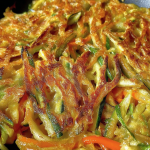
Korean Vegetable Pancakes (Yachaejeon)
Instructions
- Prepare the vegetables: Slice the green onions short, cut the red onion into thin slices, cut the carrot into thin strips, slice the red pepper into strips, thinly slice the cabbage, and finely chop the hot pepper.
- Make the batter: Whisk flour, cornstarch, turmeric, salt, baking powder, and water until smooth.
- Mix vegetables: Fold all the prepared vegetables into the batter until evenly coated.
- Prepare the dipping sauce: In a small bowl, mix soy sauce, sesame oil, rice vinegar, toasted sesame seeds, and chili flakes. Set aside.
- Heat pan: Add a little oil to a large pan over medium heat.
- Cook pancakes: Spoon batter into the pan, spread thin, cook until golden and crisp, flip, and cook the other side.
- Repeat: Continue with remaining batter, adding oil as needed.
- Serve: Enjoy the pancakes warm with the prepared soy dipping sauce.