

Introduction to Copycat Vanilla Yogurt
In recent years, the trend of DIY food has taken kitchen enthusiasts by storm, encouraging us to take control of our meals and snacks. Among the myriad of copycat recipes that have become popular, making your own vanilla yogurt stands out as an easy and satisfying endeavor. Whether seeking a cost-effective alternative or simply craving the familiarity of your favorite store-bought yogurt, homemade vanilla yogurt offers a delightful solution.
This article will guide you through the simple process of creating your very own copycat vanilla yogurt. You’ll discover the benefits of making yogurt at home, a complete list of ingredients, step-by-step instructions, expert tips for perfecting your creation, and delicious serving suggestions. Ready to dive into the world of creamy, vanilla-infused goodness? Let’s get started!
Benefits of Making Your Own Yogurt
The advantages of crafting your own yogurt at home extend far beyond just taste—the benefits encompass health, personalization, and even your wallet. Here are some compelling reasons to give it a try:
- Control Ingredients: One of the greatest advantages of homemade yogurt is total control over what goes into it. You can choose to use organic milk, avoid preservatives, and select sugar-free or alternative sweeteners. This freedom allows you to create a yogurt that meets your dietary preferences without sacrificing flavor.
- Cost-Effectiveness: Buying yogurt from the store can add up, especially for quality organic or specialty brands. Making yogurt at home is not only fun but often more economical in the long term.
- Customization: Store-bought vanilla yogurt may not always meet your taste buds’ demands. By making your own, you can fine-tune the sweetness and flavor, going for a rich vanilla essence or exploring additional flavorings like fruit purees or spices.
- Healthier Options: Homemade yogurt can be significantly lower in sugar compared to many commercial offerings. You also have the option to enhance it with probiotic-rich ingredients that are beneficial for gut health.
- It’s Easier Than You Think: Many people mistakenly perceive yogurt-making as an intricate process that requires special skills or equipment. In reality, it’s quite simple to make yogurt at home, and once you get the hang of it, you’ll wonder why you waited!
Ingredients You’ll Need
Before you start your homemade yogurt journey, let’s take a closer look at what ingredients you’ll need. Here’s a list of the core elements that will help you whip up your copycat vanilla yogurt:
- Plain Nonfat Greek Yogurt: The base of your yogurt, providing a creamy texture and tart flavor. Using Greek yogurt enhances the thickness.
- Live Cultures: Essential for fermentation, these cultures transform milk into yogurt. Look for any plain yogurt with live cultures if you do not have starter cultures on hand.
- Vanilla Extract: Enhances the flavor, giving your yogurt that signature vanilla taste. For a more natural approach, consider using vanilla bean or homemade vanilla extract.
- Stevia Extract: A natural, zero-calorie sweetener that adds sweetness without the sugar. Adjust the amount based on your taste preference.
See the recipe card below for the full list of ingredients and measurements.
Step-by-Step Instructions
Making your very own copycat vanilla yogurt is straightforward. Follow these easy steps to get started:
- Gather Your Equipment: You will need mixing bowls, a whisk or spoon, an airtight container for storage, and a way to keep your yogurt warm during incubation. A yogurt maker or a simple warm spot in your kitchen will work.
- Mixing Ingredients: In a large bowl, add your plain Greek yogurt. To this, introduce the stevia extract and vanilla extract. Stir thoroughly until everything is well combined.
- Heating the Milk (for non-Greek yogurt varieties): If you’re starting with milk, heat it to about 180°F (82°C), then let it cool to around 110°F (43°C) before adding the yogurt mixture. This step helps with achieving the desired texture.
- Adding Cultures: Once your mixture has reached the right temperature, incorporate the cultures into the yogurt base. Stir gently to avoid breaking down the cultures.
- Incubate: Place your yogurt mixture in your chosen warm spot or yogurt maker. Maintain a temperature of around 110°F (43°C) for about 6 to 12 hours. The longer you let it incubate, the tangier your yogurt will become.
- Chill: After incubation is complete, transfer the yogurt to an airtight container and refrigerate for at least 2 hours to set fully.
Tips for Perfecting Your Yogurt
Even the most seasoned yogurt makers encounter challenges occasionally. Here are some expert tips to help you troubleshoot and enhance your yogurt-making skills:
- Texture Troubles: If your yogurt is too thin, consider increasing the amount of Greek yogurt used as a starter culture or extending the incubation time. Aim for a creamy, luscious consistency.
- Flavor Adjustments: For added flavor without extra sugar, consider spices such as cinnamon or nutmeg, or fresh purees such as strawberry or blueberry, blended into your yogurt before serving.
- Preventing Off-Flavors: Make sure all equipment is thoroughly cleaned and sanitized to prevent contamination that can lead to unwanted flavors.
- Experiment: Don’t be afraid to get creative! Add in nuts, seeds, or fresh fruits just before serving for additional texture and flavor variety.
For a lighter dessert option, consider making yogurt whipped cream to top your yogurt creations.
Serving Suggestions and Pairings
Your homemade yogurt can be versatile! Here are some creative ways to enjoy it:
- Start your day with a delicious breakfast bowl topped with fresh fruits and a sprinkle of granola.
- Consider using your yogurt as a base for smoothies, blending it with fruits, nut butter, or greens for a nutritious boost.
- Try yogurt with nuts and a drizzle of honey for a satisfying snack between meals.
- Experiment with savory dishes—yogurt can be a great addition to sauces, dressings, or marinades.
Looking for creative ideas? Check out these ways to enjoy yogurt that can elevate your yogurt experience.
For a delicious breakfast, you can try a Greek yogurt parfait featuring fresh fruits and granola.
Don’t forget to explore our favorite yogurt toppings that can help you customize your homemade yogurt.
Nutritional Information
Understanding the nutritional differences between homemade and store-bought yogurt can illuminate the health benefits of making your own:
- Homemade yogurt typically contains fewer calories due to the absence of added preservatives and sugars.
- The sugar content in homemade yogurt can be controlled, making it an excellent option for those monitoring their intake.
- Homemade yogurt often retains more beneficial probiotics as it doesn’t undergo the same processing as commercial versions.
FAQs about Homemade Yogurt
Can I use a different sweetener instead of stevia?
Absolutely! You can use honey, maple syrup, or any other sugar substitute that you prefer. Just adjust the quantity to taste!
How long does homemade yogurt last in the fridge?
Homemade yogurt can last about 1 to 2 weeks in the fridge. Just make sure it’s stored in an airtight container!
Can I customize the flavor of my yogurt?
Definitely! Feel free to add fruits, nuts, or spices like cinnamon to give your yogurt a unique flavor.
Is this recipe suitable for those on a low-carb diet?
Yes, this recipe is sugar-free and made with nonfat Greek yogurt, making it a great option for low-carb diets!
What type of yogurt should I use?
For this recipe, plain, nonfat Greek yogurt works best. However, you can also use regular plain yogurt if you prefer a creamier texture.
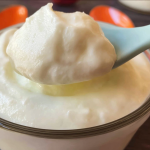
Copycat Vanilla Yogurt
Instructions
- Simply add the stevia and vanilla to the yogurt and stir thoroughly! (As a side note - 1 "doonk" of stevia is equal to 1/32 of a teaspoon)