
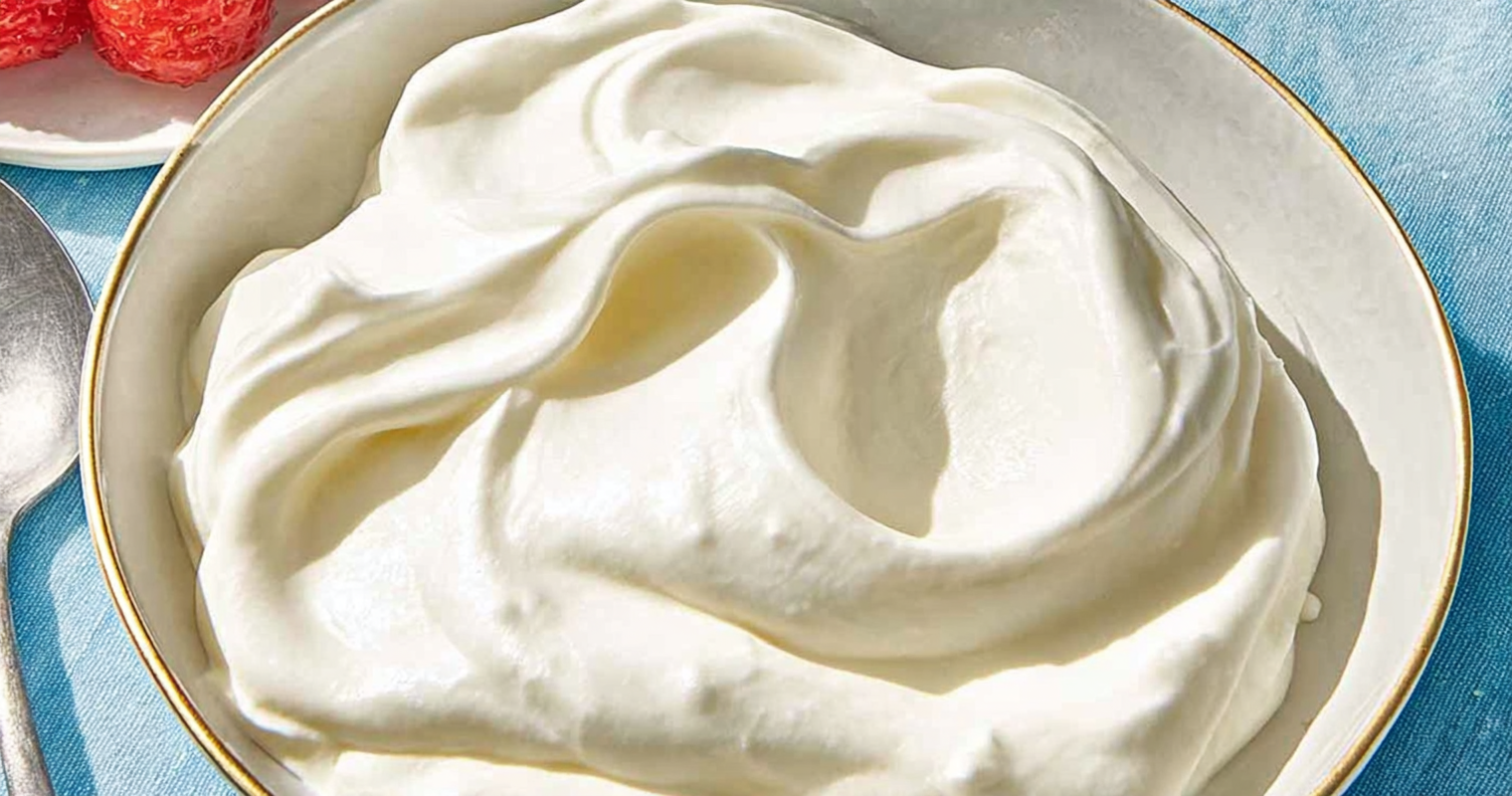
Introduction to Greek Yogurt
Greek yogurt, known for its distinctively creamy texture and higher protein content, has surged in popularity over recent years. But what exactly makes Greek yogurt different from regular yogurt? Unlike standard yogurt, which retains more whey, Greek yogurt is drained extensively, resulting in a thicker consistency. This unique texture not only enriches the eating experience but also enhances its nutritional profile, making it a favorite among fitness enthusiasts and health-conscious individuals alike.
Greek yogurt’s roots can be traced back to the ancient Mediterranean region, where it was a staple in Greek cuisine, often served with honey, fruits, or nuts. Over time, its health benefits and appealing flavor have captivated culinary enthusiasts around the globe. Today, Greek yogurt is cherished not just for its taste but also for its versatility in both sweet and savory dishes.
Benefits of Homemade Greek Yogurt
Making Greek yogurt at home presents numerous advantages over purchasing pre-packaged varieties. One of the primary benefits is the ability to control ingredients—ensuring no preservatives or additives make their way into your yogurt. You can choose high-quality milk and starter culture tailored to your preferences. Additionally, homemade yogurt tends to be fresher and more flavorful, often surpassing commercial brands.
Another significant benefit is cost-effectiveness. While store-bought Greek yogurt can be pricey, especially if you opt for organic options, homemade Greek yogurt is an economical choice. With just a half-gallon of milk, you can yield up to six and a half cups of delicious yogurt!
From a health perspective, homemade Greek yogurt allows for customization in taste and texture. Want a sweeter end product? You have the freedom to decide how much honey or sugar to add. Concerned about probiotics? You can opt for a live yogurt culture with a specific probiotic profile. Plus, you’ll minimize waste by avoiding excessive packaging.
Ingredients You’ll Need
To produce your own Greek yogurt, you’ll primarily need:
- High-quality milk – Whole, 2% cow’s milk, goat, or sheep milk works well for creating a rich texture.
- Starter culture – Use a small amount of plain yogurt with live active cultures to kickstart the fermentation process.
Consider sourcing organic or local milk to elevate the quality of your yogurt. Other optional ingredients you might want to consider for flavor enhancements include:
- Vanilla extract – For a subtle sweetness and aroma, mix in a splash of vanilla extract.
- Honey or maple syrup – Sweeteners that can be stirred in post-fermentation for personal taste.
See the recipe card below for the full list of ingredients and measurements.
Step-by-Step Instructions
Follow these straightforward steps to make your homemade Greek yogurt:
- Heat the milk. In a heavy-bottomed pot, rinse with cold water to prevent scorching. Add the milk and heat over medium, stirring occasionally until it reaches a gentle simmer (approximately 15 minutes). The milk should be between 190°F and 200°F when you remove it from the heat.
- Cool the milk. Allow the milk to cool to between 105°F and 115°F. Stir occasionally during cooling. This step is crucial for the health of the yogurt cultures.
- Incorporate the starter yogurt. Combine the yogurt in a heatproof bowl with a small amount of the warm milk to thin it out. Once smooth, mix this back into the pot to distribute the starter culture evenly.
- Incubate the mixture. Cover the pot and store it in a warm spot for 6 to 10 hours, undisturbed. This could be on your kitchen counter wrapped in a thick towel or in a turned-off oven that was preheated to the lowest setting.
- Chill the yogurt. Once set, place the entire pot in the refrigerator for at least 6 hours, allowing it to thicken and develop a tangy flavor.
- Strain the yogurt. Set a fine-mesh strainer or colander over a bowl lined with cheesecloth. Spoon the yogurt into the strainer and refrigerate until it reaches your desired thickness—this can take 2 to 8 hours.
- Store and enjoy. Once adjusted to preferences, transfer the yogurt into airtight containers and store it in the refrigerator for up to two weeks.
Tips for Perfect Greek Yogurt
As you embark on your yogurt-making journey, consider these expert tips to ensure perfect results:
- Maintain the ideal fermentation temperature between 105°F and 115°F to prevent the cultures from dying or not thriving.
- Using a thermometer to monitor milk temperature will help avoid overheating, which can alter the yogurt’s flavor.
- If you desire thicker yogurt, let it strain longer for more whey to drain out, removing excess moisture for a creamier texture.
- If you experience separation, know it might be due to higher fermentation temperatures; try reducing the heat.
Serving Suggestions
Greek yogurt serves as a delicious and healthy base for many dishes. Here are various serving ideas to inspire you:
- Greek yogurt parfaits – Create a layered breakfast with yogurt, fresh berries, granola, and a drizzle of honey. Try creating a delicious Greek yogurt parfait with layers of fruit and granola for a healthy breakfast option.
- Dips and sauces – Mix Greek yogurt with herbs and spices to create a tangy dip for vegetables or a base for sauces.
- Smoothies – Blend Greek yogurt with fruits, greens, and nut butter to make a protein-rich smoothie.
- Desserts – Incorporate Greek yogurt into cakes or use it as a lighter alternative in creamy desserts. If you’re looking for a refreshing dessert, consider making frozen yogurt using your homemade Greek yogurt.
- Main courses – Use it as a topping for dishes like Greek chicken souvlaki, adding a zesty flavor contrast between savory meats and the creaminess of the yogurt.
Exploring the Origins and History of Greek Yogurt
Greek yogurt boasts a rich history that spans centuries. Originating in Greece, it has been a traditional food source known for its nutritional benefits since ancient times. Historically, yogurt was used not only as a food source but also for its presumed health properties, providing hydration and nourishment to those in hot climates.
The yogurt-making method has evolved, leading to various regional variations seen throughout the Mediterranean and beyond. The current surge in Greek yogurt’s popularity can be attributed to the rising awareness of health benefits and the emphasis on natural, wholesome foods in global diets. It is now central in many cuisines, influencing culinary practices worldwide.
Frequently Asked Questions
- How is Greek yogurt different from regular yogurt? Greek yogurt is strained more times than regular yogurt, resulting in a thicker texture and higher protein content. It’s also typically lower in carbohydrates.
- How long does it take to make Greek yogurt? The whole process takes about 12 to 16 hours, including fermentation and chilling. Most of the time is hands-off while the yogurt sets and thickens!
- Can I use any type of milk to make Greek yogurt? Yes, you can use whole, 2%, or even goat milk. The choice of milk will affect the creaminess and taste of your yogurt.
- How can I make my Greek yogurt thicker? You can strain the yogurt for a longer period, allowing more whey to drain out. Alternatively, using whole milk will also yield a creamier, thicker yogurt.
- Do I need special equipment to make Greek yogurt at home? No special equipment is needed! A heavy pot, a thermometer, and some cheesecloth for straining are all you need to successfully make Greek yogurt at home.
Conclusion
Homemade Greek yogurt offers a multitude of benefits—from controlling ingredients and maintaining freshness to customization possibilities. With this comprehensive guide, we encourage you to take the plunge and create your own Greek yogurt at home. Indulging in the satisfaction of crafting your yogurt provides not only nourishment but a fulfilling process you can share with family and friends. Embrace this healthy culinary adventure and enjoy Greek yogurt as part of your everyday meals!
Greek Yogurt
Ingredients
Main Ingredients
- 1/2 gallon milk whole or 2%
- 1/4 cup plain yogurt with live active cultures
Instructions
- Heat the milk in a pot, stirring until it reaches 190°F-200°F.
- Cool the milk to 105°F-115°F.
- Incorporate the starter yogurt, mixing well.
- Incubate the mixture for 6-10 hours until set.
- Chill the yogurt for at least 6 hours.
- Strain the yogurt to desired thickness.
- Store in airtight containers in the refrigerator.