The Ultimate Guide to Caesar Salad Dressing: Homemade Bliss
On this page10 quick jumps
TOC
10 quick jumps
Introduction
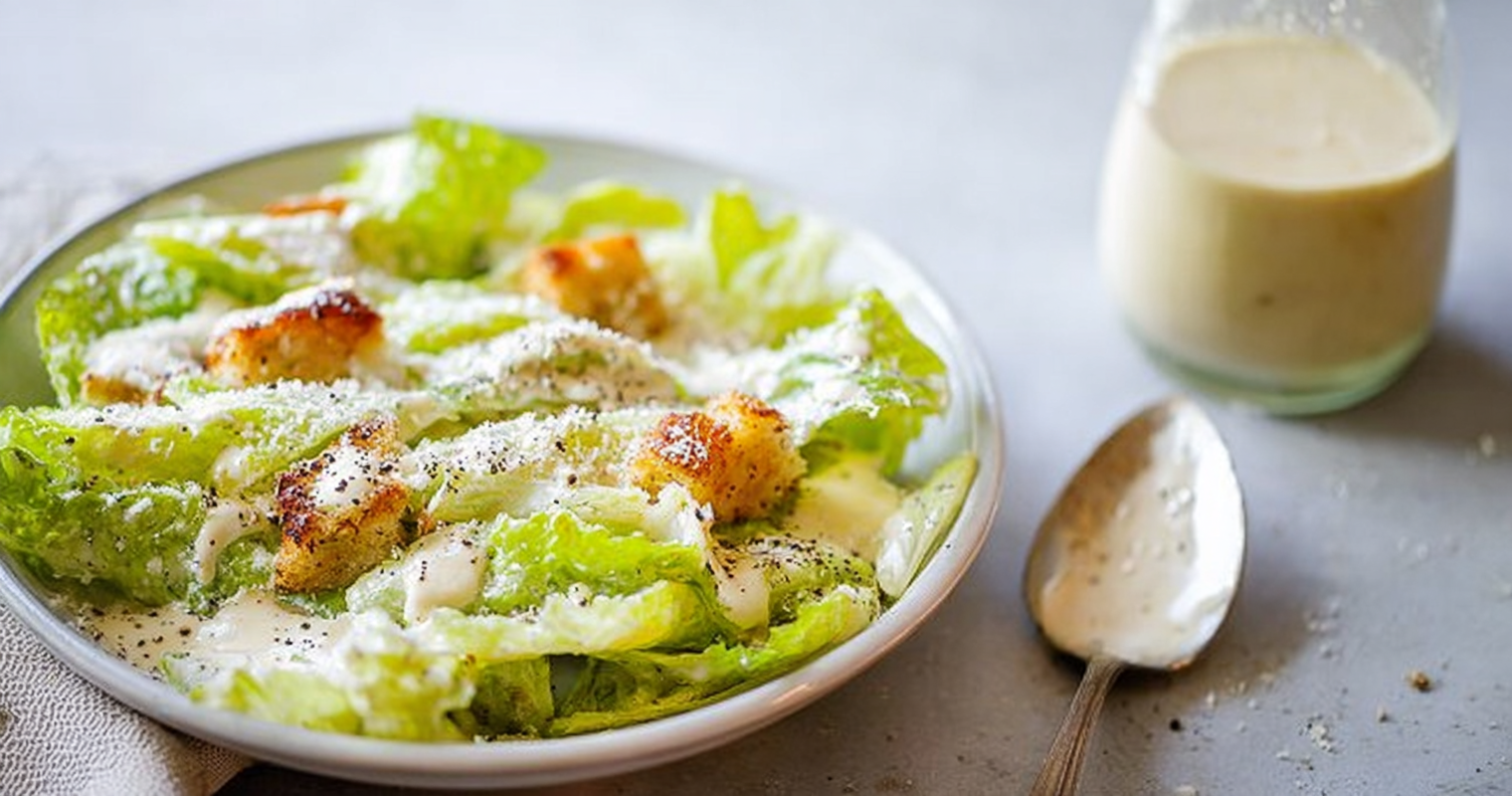
Few things are as instantly recognizable as a Caesar salad. From the crisp romaine leaves to the crunchy croutons and shower of Parmesan, it remains a go-to at home and in restaurants. Yet the real showstopper is almost always the dressing: rich, tangy, and deeply savory. In an era where people care more about what goes into their food, the shift toward homemade dressings has become a culinary trend driven by flavor, health, and transparency. This guide explores why Caesar salad dressing matters, what makes it unique, and how you can enjoy every nuance—from classic indulgence to lighter and allergen-friendly versions—without turning this into a recipe manual.
Whether you're curious about the dressing's history, worried about raw eggs, or eager to adapt the flavor for a specific diet, you'll find clear explanations, practical tips, and sensible alternatives in the sections that follow.
What is Caesar Salad Dressing?
Caesar salad dressing is the creamy, savory emulsion that defines the Caesar salad. Its roots trace back to the 1920s and are most commonly credited to Caesar Cardini, an Italian-American restaurateur in Tijuana, Mexico. Over the decades, the dressing has become iconic because it balances richness and brightness: the interplay of oil and egg or egg substitutes creates a silky mouthfeel, while lemon and Parmesan add acidity and umami.
Traditional components often include garlic, anchovies, egg yolks, lemon juice, olive oil, Parmesan cheese, and a touch of mustard or Worcestershire for depth. Historically, the original dressing was made table-side and had a fresh, emulsified texture. As the dressing gained global popularity it evolved into bottled versions, mayonnaise-based adaptations, and many creative reinterpretations to suit modern tastes and dietary concerns.
The classic flavor profile is bold and layered: a salty, savory base from anchovies and cheese; pungent brightness from garlic and lemon; and a creamy, slightly tangy mouthfeel from emulsifiers like egg yolks or mayonnaise. Those familiar notes are what people associate with an authentic Caesar experience.
Benefits of Homemade Caesar Dressing
Making Caesar dressing at home offers more than the satisfaction of crafting something fresh; it gives you control and better results in several practical ways.
- Ingredient control: You decide the quality and source of each component—olive oil, freshly grated cheese, real anchovies versus factory-made pastes, and the salt content. That control matters for both flavor and health.
- No preservatives: Store-bought dressings often contain stabilizers, preservatives, and added sugars. Homemade versions let you avoid unnecessary additives.
- Freshness and flavor: Freshly grated cheese, freshly squeezed lemon, and fresh garlic provide brighter, cleaner flavors than many commercial alternatives.
- Customization: You can tune the dressing to your preference—salt level, garlic intensity, acidity, and texture—so each batch suits your palate and meal.
- Cost and sustainability: Making dressing at home can be cost-effective and reduce single-use packaging when you use reusable containers.
- Adaptability: Want a lighter version, an egg-free option, or a vegan take? Homemade dressing is where experimentation pays off without compromising taste.
Classic Ingredients You Need
Understanding the role of classic ingredients is more useful than memorizing a recipe because it helps you recreate the characteristic Caesar taste and texture in multiple ways.
- Anchovies: These small fish are the secret to deep umami. They don’t have to taste fishy when used properly—anchovies dissolve into the dressing and add savory complexity and saltiness.
- Garlic: Provides pungency and aromatic sharpness. Raw garlic adds a lively bite; roasted garlic can be used if you prefer milder, sweeter notes.
- Egg yolks: Traditionally used as an emulsifier to create a silky, cohesive dressing. They contribute richness and help bind oil and acidic components.
- Lemon juice: The bright acidic counterpoint that lifts the entire dressing and balances fat.
- Olive oil: The primary fat that carries flavor and mouthfeel. Extra-virgin olive oil gives distinct peppery, fruity notes, while lighter oils create a subtler base.
- Parmesan cheese: Adds salty, nutty umami and helps thicken the dressing slightly when finely grated.
- Dijon mustard and Worcestershire sauce: Small additions that act as emulsifiers and deepen flavor with tang and savory layers.
Each element has a purpose: anchovies and Parmesan for savory depth, lemon and mustard for acidity and stabilization, yolks for creaminess, and oil for richness. Once you understand these roles, you can substitute intelligently without losing the dressing’s identity.
No Raw Eggs: Safe Alternatives
Raw egg yolks are historically central to classic Caesar dressing, but they raise legitimate food-safety concerns for some people—pregnant individuals, young children, older adults, and those with compromised immune systems. Fortunately, there are effective ways to achieve a creamy, emulsified texture without raw eggs.
- Greek yogurt: Thick, tangy, and protein-rich, Greek yogurt mimics the creaminess of egg while adding a pleasant acidity. It blends well with other ingredients and reduces overall fat compared to yolk-based dressings.
- Mayonnaise: Commercial mayonnaise is a widely used egg-free (or pasteurized egg) alternative that already exists as a stable emulsion. It yields a familiar texture and can be a simple swap when you want a quick or kid-friendly option.
- Sour cream or crème fraîche: These options add richness and tang without raw egg. They work well when you want a luscious, dairy-forward profile.
- Pasteurized eggs: If you still want the classic yolk flavor without raw-risk, pasteurized eggs or pasteurized liquid egg products are safer choices where available.
- Plant-based thickeners: Blended silken tofu or pureed cashews can create a creamy base for vegan or egg-free Caesars while lending neutral richness.
Each alternative changes the flavor slightly—Greek yogurt adds tang, mayonnaise gives a familiar store-bought style, and cashew cream steers the dressing toward a milder, nuttier character. Pick the substitute that complements the rest of your salad and your diners' dietary needs.
Customization for Dietary Needs
Caesar dressing is remarkably adaptable. With a few swaps, you can make versions that fit vegan, gluten-free, dairy-free, low-sodium, or other dietary preferences without sacrificing the hallmark savory quality.
- Vegan: Replace anchovies and Parmesan with ingredients that build umami and a cheesy impression. Nutritional yeast offers a cheesy, nutty note; miso or tamari delivers depth; capers introduce briny complexity; and cashew cream or silken tofu provides creaminess. Vegan “Parmesan” and vegan Worcestershire can round out the flavor.
- Gluten-free: Most core Caesar ingredients are naturally gluten-free, but check processed ingredients like Worcestershire sauce and mustards for hidden gluten. Choose certified gluten-free condiments to be safe.
- Dairy-free: Swap Parmesan with nutritional yeast or a small amount of miso for umami. Cashew or coconut-based creams provide texture; be mindful of coconut’s distinct flavor if you want to stay closer to classic notes.
- Low-sodium: Reduce anchovies or choose low-sodium anchovy products, use less added salt, and emphasize lemon and black pepper for flavor. Fresh herbs such as parsley can enhance perceived savory notes without adding sodium.
- Allergen-free: For egg and fish allergies, omit anchovies and egg-based emulsifiers and use plant-based alternatives like aquafaba or blended legumes combined with umami sources such as roasted mushrooms or miso.
Balancing flavor in specialized versions usually involves increasing acidity, herbs, or umami-rich substitutes so the dressing remains satisfying even when a classic component is missing.
Healthy Variations and Alternatives
If you love Caesar flavor but want a lighter approach, several tactics let you reduce calories and saturated fat while keeping great taste.
- Greek yogurt base: Greek yogurt cuts calories and boosts protein while maintaining creaminess. It works especially well when combined with a modest amount of olive oil for mouthfeel.
- Oil reduction: Reduce the proportion of oil and increase tangy elements like lemon, vinegar, or mustard to maintain balance. Using a high-quality oil in smaller amounts keeps flavor strong without excess fat.
- Avocado: For a heart-healthy twist, ripe avocado can contribute creamy texture and beneficial monounsaturated fats. It will shift the color and add a subtle grassy flavor.
- Herb-forward Caesars: Add parsley, chives, or tarragon to extend flavor without extra calories. Herbs add freshness and complexity, making lighter versions feel more substantial.
- Vegetable-boosted options: Blend in cooked, cooled cauliflower or white beans for thickness and fiber while keeping calories in check. These choices increase volume and satiety.
Healthy variations are not about sacrificing flavor, but rather about smart ingredient swaps and focusing on quality over quantity. The goal is a satisfying dressing that complements a big bowl of greens rather than overpowering it.
Storage Tips and Shelf Life
Proper storage preserves both safety and flavor. Homemade dressings are fresher tasting but typically have a shorter shelf life than commercial varieties due to the absence of preservatives.
- Refrigeration: Store dressing in a clean, airtight container in the refrigerator immediately after making or serving. Glass jars with tight lids are ideal because they don’t retain odors and are easy to sanitize.
- Typical shelf life: Most homemade Caesar dressings stored in the fridge last about 4 to 7 days, depending on ingredients. Versions made with yogurt or mayonnaise generally fall on the shorter end of that range, and dressings containing pasteurized products may last slightly longer.
- Signs of spoilage: Discard the dressing if it develops an off or sour smell (beyond the expected tang of lemon), unusual color changes, visible mold, or a slimy texture. If in doubt, throw it out—food safety is not worth a risk.
- Extending shelf life: Use clean utensils to avoid cross-contamination, keep the container cold, and label jars with the preparation date. Avoid leaving dressing at room temperature for prolonged periods during meals or buffets.
- Freezing: Freezing emulsified dressings is generally not recommended because separation can occur when thawed. While some ingredients can be re-emulsified after thawing, texture and flavor may change noticeably.
Keeping these practical steps in mind will help you enjoy homemade dressing safely and at its best.
FAQs About Caesar Salad Dressing
What are the key ingredients in Caesar salad dressing?
Traditional Caesar dressing includes ingredients like anchovies, garlic, Parmesan cheese, Dijon mustard, lemon juice, and olive oil. Each component contributes to the dressing's classic creamy texture and bold flavor.
How can I make Caesar dressing without raw eggs?
You can use Greek yogurt, sour cream, or mayonnaise as alternatives to raw eggs. These options provide creaminess while ensuring safety.
What are some healthy alternatives for Caesar dressing?
For a lighter Caesar dressing, consider using Greek yogurt instead of mayonnaise or oil, and reduce the amount of cheese. You can also add fresh herbs or spices for added flavor without extra calories.
How do I store homemade Caesar dressing?
Store homemade Caesar dressing in an airtight container in the refrigerator. It usually lasts about a week; always check for spoilage before use.
Can I customize Caesar dressing for dietary restrictions?
Yes, you can make vegan Caesar dressing by substituting dairy ingredients with cashew cream or nutritional yeast for a cheesy flavor. Gluten-free options can be achieved by ensuring all ingredients are certified gluten-free.
What can I do with leftover Caesar dressing?
Leftover Caesar dressing can be used as a dip for vegetables, a topping for grilled meats, or even drizzled over roasted vegetables. Get creative with its uses!
How to make a simple Caesar salad dressing?
To make a simple Caesar dressing, blend anchovies and garlic into a paste, then whisk in egg yolks, Dijon mustard, lemon juice, and olive oil, finishing with grated Parmesan cheese.
Additional quick FAQs
Can I use bottled Caesar dressing as a base for customization?
Yes. A high-quality bottled dressing can be a practical shortcut—brighten it with extra lemon, fresh garlic, or grated Parmesan and thin or thicken as needed. Keep portion and ingredient awareness in mind so you don’t reintroduce unwanted preservatives or high sodium levels.
Is anchovy paste an acceptable substitute for whole anchovies?
Anchovy paste is a convenient, shelf-stable option that provides the same savory umami. Use sparingly and taste as you go since pastes can vary in salt concentration.
Conclusion and Final Thoughts
Caesar salad dressing is more than a condiment—it's the defining element that elevates a simple bowl of lettuce into a satisfying dish. Making your own dressing gives you control over ingredients, flavor, and safety. Whether you embrace the classic creamy version, opt for a no-raw-egg alternative, or experiment with vegan and low-calorie twists, understanding the roles of anchovies, garlic, acid, fat, and a stabilizer helps you create a dressing that matches your needs.
Homemade dressing rewards curiosity: small adjustments to the balance of acid, fat, salt, and umami can transform the final salad from ordinary to memorable. With sensible storage practices and the right substitutions, you can enjoy Caesar flavor on your terms—healthier, fresher, and perfectly tailored to your table. Try a few variations, keep notes on what you prefer, and most of all, enjoy the process of making a signature dressing that complements everything from classic salads to grilled vegetables and proteins.
You might also like
The Ultimate Rainbow Orzo Salad – Bright, Fresh, and Delicious
Apr 30, 2026
Easy Spring Vegetable Orzo Salad Bursting with Fresh Flavors
Apr 9, 2026

Cozy Up with Irresistible Sun Dried Tomato Corn Chowder
Apr 8, 2026
The Ultimate Spring Roll Salad with Peanut Dressing
Apr 7, 2026
Reviews
Be the first to review this.