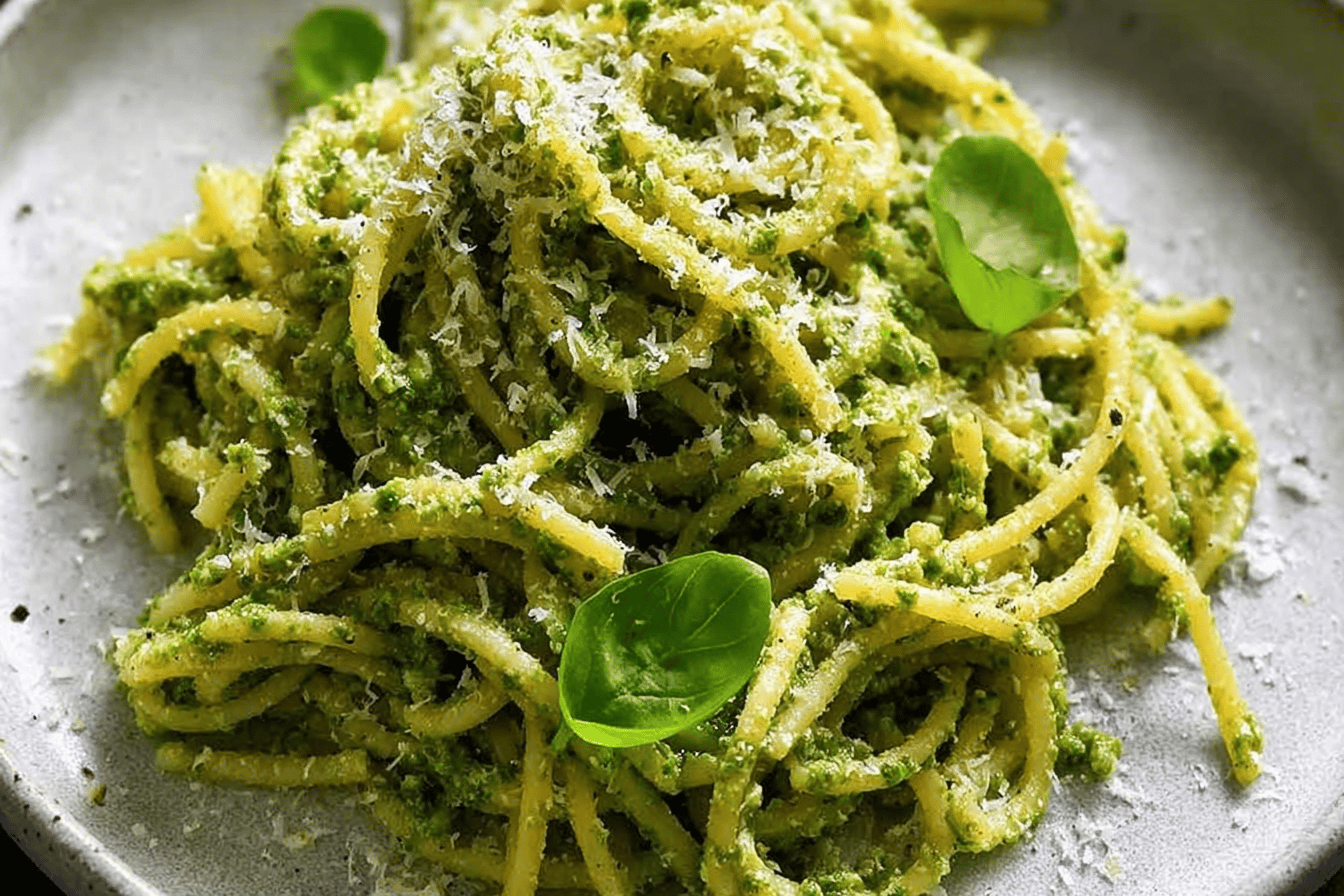
Pesto With Parmigiano.
Discover the vibrant flavors of fresh basil and Parmigiano-Reggiano in this delicious pesto recipe! 🌿🧀.
On this page9 quick jumps
TOC
9 quick jumps
Discover the vibrant flavors of fresh basil and Parmigiano-Reggiano in this delicious pesto recipe! Pesto, a classic Italian sauce, is cherished for its bright, aromatic profile and versatility in the kitchen. Originating from the Liguria region of Italy, this sauce embodies the essence of fresh ingredients, making it a staple in many homes. Whether served over pasta, spread on sandwiches, or used as a dip, pesto is not only easy to prepare but also a celebration of seasonal produce. In this article, we will guide you through the preparation of a traditional pesto that highlights the aromatic basil and the nutty, rich flavor of Parmigiano-Reggiano cheese. Get ready to elevate your culinary game with this delightful recipe!
Tools and Equipment
Before diving into the preparation of your pesto, it’s important to gather the right tools and equipment. Having everything at hand will streamline the process and enhance your cooking experience. Here’s what you’ll need:
- Food processor: Essential for blending the ingredients smoothly.
- Dry skillet: For toasting pine nuts, enhancing their flavor.
- Measuring cups and spoons: To ensure precise ingredient measurements.
- Spatula: Useful for scraping down the sides of the food processor as needed.
- Airtight jar: For storing your homemade pesto.
Ingredients List
Now that you have your tools ready, let’s take a look at the ingredients that will bring your pesto to life. Each component plays a vital role in creating that classic flavor profile that we all love.
- Fresh basil leaves - 2 cups: The star ingredient, basil provides a fresh, aromatic flavor that is essential for pesto.
- Toasted pine nuts - 1/3 cup: These add a rich, nutty flavor and creamy texture to the sauce.
- Garlic cloves - 2: Garlic contributes a pungent kick that balances the richness of the cheese and nuts.
- Freshly grated Parmigiano-Reggiano cheese - 1 cup: This hard cheese adds a salty, umami flavor that enhances the overall taste.
- Extra-virgin olive oil - 1/2 cup: A high-quality olive oil is crucial for a smooth texture and rich flavor.
- Salt - to taste: Enhances the flavors of all ingredients.
- Freshly ground black pepper - optional: Adds a bit of heat and depth.
Preparation Steps
Preparing pesto is a straightforward process, but there are a few pre-cooking tasks that will set you up for success. Follow these steps to ensure your ingredients are ready for blending:
- Gather and wash the fresh basil leaves thoroughly to remove any dirt or grit. Pat them dry with a paper towel.
- Measure out the toasted pine nuts and have them ready for use. Toasting enhances their flavor, so if you haven’t done it yet, you can do so in the next step.
- Peel the garlic cloves and have them ready to go. Fresh garlic will provide the best flavor.
Tip: Using fresh, high-quality ingredients will significantly enhance the flavor of your pesto.
Step-by-Step Cooking Instructions
Now that your ingredients are prepped, it’s time to make the pesto! Follow these detailed instructions for a delicious result:
- In a dry skillet over medium heat, add the pine nuts. Toast them for about 3-5 minutes, stirring frequently, until they are golden and fragrant. Remove from heat and let them cool.
- In a food processor, combine the basil leaves, cooled pine nuts, and garlic cloves. Pulse until the mixture is coarsely chopped.
- Add the freshly grated Parmigiano-Reggiano cheese to the food processor and pulse again until combined. This will start to create a thick paste.
- While the food processor is running, slowly drizzle in the extra-virgin olive oil. Continue processing until the pesto reaches your desired consistency. Be careful not to over-process; you want it to remain slightly chunky.
- Finally, add salt to taste and freshly ground black pepper if desired. Blend just enough to combine.
- Transfer the pesto to an airtight jar and drizzle a bit of olive oil on top to preserve freshness.
Note: Avoid over-processing the pesto to maintain a lovely texture and flavor.
Nutritional Information and Health Benefits
This homemade pesto not only tantalizes your taste buds but also offers several nutritional benefits. Here’s a closer look at what makes each ingredient valuable:
Basil: Rich in antioxidants, basil is known for its anti-inflammatory properties and can aid in digestion.
Pine nuts: These nuts are a great source of healthy fats, protein, and essential vitamins and minerals, including magnesium and vitamin K.
Garlic: Known for its immune-boosting properties, garlic can help lower blood pressure and improve cholesterol levels.
Parmigiano-Reggiano: This cheese is a good source of calcium and protein, contributing to bone health and muscle maintenance.
Olive oil: Extra-virgin olive oil is rich in monounsaturated fats and antioxidants, supporting heart health and reducing inflammation.
Common Mistakes and Tips to Perfect the Recipe
To ensure your pesto turns out perfect every time, avoid these common mistakes:
- Using wilted basil: Always use fresh, vibrant basil leaves for the best flavor.
- Over-toasting pine nuts: Keep a close eye while toasting; they can burn quickly and become bitter.
- Skipping the cheese: Parmigiano-Reggiano is essential for authentic flavor; don’t omit it!
- Over-blending: Aim for a chunky texture for optimal flavor and mouthfeel.
Advanced Tip: Experiment with different nuts, such as walnuts or almonds, for a unique twist on the traditional recipe!
Storage, Serving, and Reheating Tips
To keep your pesto fresh and flavorful, follow these tips:
- Storage: Store pesto in an airtight jar in the refrigerator for up to one week. Drizzle a thin layer of olive oil on top before sealing to prevent oxidation.
- Freezing: For longer storage, freeze pesto in ice cube trays. Once frozen, transfer the cubes to a zip-top bag for up to six months.
- Serving: Pesto is incredibly versatile! Serve it over pasta, use it as a spread for sandwiches, or drizzle it over grilled vegetables.
Serving Suggestion: Try mixing pesto with cream for a rich pasta sauce or use it as a topping for grilled chicken or fish.
FAQs and Recipe Variations
Can I use other herbs instead of basil? Yes! You can experiment with other herbs like arugula, spinach, or cilantro for a different flavor profile.
Is there a nut-free version of pesto? Absolutely! You can substitute pine nuts with sunflower seeds or omit them entirely for a nut-free version.
Can I make pesto ahead of time? Yes! Pesto can be made in advance and stored in the refrigerator or freezer for later use.
Recipe Variations:
- Replace pine nuts with walnuts or cashews for a different texture.
- Add lemon juice or zest for a citrusy twist.
- Incorporate roasted red peppers for a sweeter flavor.
Conclusion
This vibrant pesto recipe captures the essence of fresh ingredients, bringing a taste of Italy right to your kitchen. The combination of aromatic basil, nutty pine nuts, and rich Parmigiano-Reggiano creates a sauce that is not only delicious but also versatile. Whether you’re dressing up a simple pasta dish or adding flair to a sandwich, this pesto is sure to impress. Remember, cooking is all about experimenting and making it your own, so don’t hesitate to play around with different ingredients. Enjoy your cooking journey, and make every meal a celebration!
You might also like

Creamy Slow Cooker Chicken Nachos: A Satisfying Family Favorite
May 19, 2026

3 Step Homemade Cappuccino – A Simple Delight
May 13, 2026

Irresistible Angel Chicken and Rice Casserole: A Family Favorite
May 7, 2026
Indulge in Decadent Garlic Butter Steak Bites & Alfredo Rigatoni
May 7, 2026
Reviews
Be the first to review this.