Fresh Spring Vegetable Pasta Primavera Recipe with Easy Creamy Lemon Sauce
- Prep
- 10 min
- Cook
- 20 min
- Total
- 30 min
- Serves
- 4
- Calories
- 420 kcal
- Carbs
- 48.00 g
On this page10 quick jumps
TOC
10 quick jumps
Introduction
Introduction to Pasta Primavera
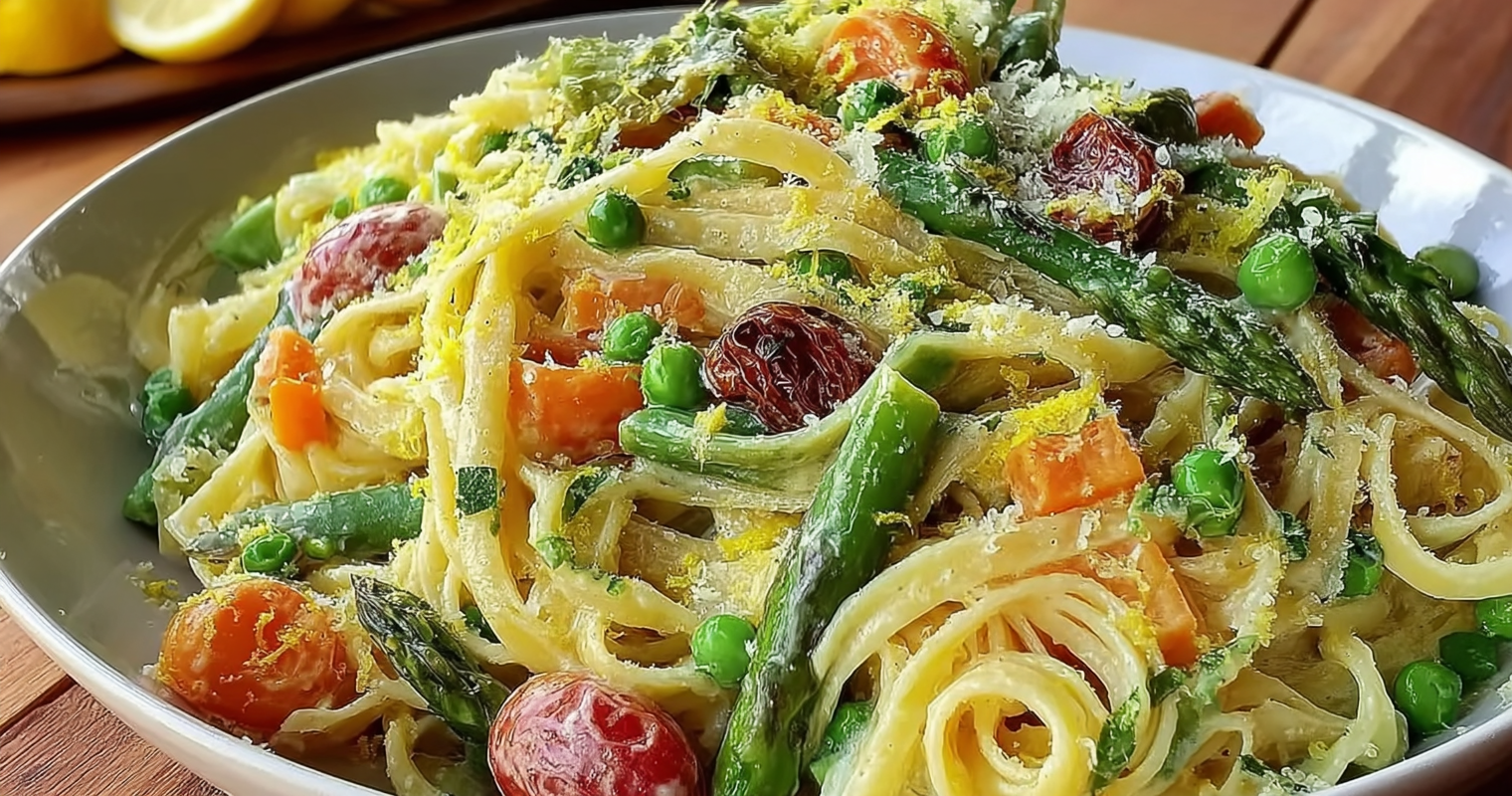
Pasta primavera, which translates to \"spring pasta\" in Italian, is a delightful dish that celebrates the vibrant flavors and refreshing textures of seasonal vegetables. This iconic Italian creation has its roots traced back to the 1970s when chefs began experimenting with fresh produce that flourished during the warm months. The dish quickly gained popularity not only in Italy but also across the globe, becoming a staple in spring and summer menus.
What makes pasta primavera particularly appealing is its use of colorful and diverse vegetables, such as bell peppers, zucchini, and asparagus, tossed together with pasta to create a beautiful presentation. This dish not only brings a burst of color to your plate but also offers a wonderful opportunity to highlight the natural flavors of fresh produce. In addition, the versatility of pasta primavera allows it to be customized according to seasonal availability and personal preferences, making it an ideal choice for a light yet satisfying meal.
As you indulge in a plate of pasta primavera, you'll appreciate the creaminess of the sauce, which complements the crisp vegetables beautifully. Whether you enjoy it as a standalone dish or pair it with a protein, pasta primavera is sure to become a favorite in your culinary repertoire.
Key Ingredients for a Perfect Primavera
Crafting a perfect pasta primavera revolves around selecting the right ingredients. Here are some key ingredients that you’ll typically find in a classic primavera recipe:
- Fresh Pasta – Options like fettuccine or linguine serve as the ideal base, providing a hearty texture to hold the sauce.
- Olive Oil – A drizzle is essential for sautéing and enhancing the flavors of the vegetables.
- Fresh Peas – Their sweet and tender nature adds a wonderful pop to the dish.
- Asparagus – Cooked just right, the asparagus adds crunch and a hint of earthiness.
- Bell Pepper – This colorful vegetable contributes both sweetness and vibrancy.
- Zucchini – Sliced into half-moons, zucchini adds a subtle flavor and delightful texture.
- Garlic – A few cloves of minced garlic provide a fragrant base that enhances the overall taste.
- Heavy Cream or Half-and-Half – This creates a luscious sauce that coats the pasta and vegetables evenly.
- Lemon Juice and Zest – A zing of acidity balances the creaminess and adds brightness.
- Parmesan Cheese – Freshly grated cheese brings richness and a nutty flavor to finish the dish.
- Fresh Herbs (like basil or parsley) – A touch of greenery adds freshness and visual appeal.
- Salt and Pepper – Essential for seasoning and enhancing the flavors of all ingredients.
See the recipe card below for the full list of ingredients and measurements.
Step-by-Step Cooking Instructions
Making pasta primavera is an easy and enjoyable process! Just follow these simple steps:
- Begin by bringing a large pot of salted water to a boil. Once boiling, add your pasta of choice, like fettuccine or linguine, and cook according to package instructions until it reaches the perfect al dente texture. Remember to reserve a cup of pasta water before draining the pasta.
- While your pasta cooks, heat a couple of tablespoons of olive oil in a large skillet over medium heat. Add in the minced garlic and sauté for about 30 seconds until it becomes fragrant but ensure it does not brown.
- Next, add the chopped asparagus, sliced bell pepper, and zucchini to the skillet. Sauté the vegetables, stirring occasionally, for about 4 to 5 minutes until they are crisp-tender and their colors are bright. If you’re using fresh peas, add them now and cook for a couple of minutes more. If frozen peas are your choice, toss them in at this time until heated through.
- Lower the heat to medium-low and stir in the heavy cream, lemon zest, and juice of one large lemon. Allow the sauce to gently simmer for around 3 to 4 minutes, stirring frequently until it has thickened slightly without boiling.
- Incorporate half a cup of freshly grated Parmesan cheese and a nugget of unsalted butter until both are melted and the sauce is smooth. Taste and season with salt and freshly ground black pepper as needed. If the sauce feels too thick, add a splash of the reserved pasta water until you achieve your desired consistency.
- Add the drained pasta into the skillet, tossing everything together to ensure the pasta is well coated with the sauce. Allow it to cook for an additional 1 to 2 minutes so the pasta can absorb those delicious flavors. If desired, toss in your fresh herbs at this stage, mixing gently.
- Serve your pasta primavera immediately! You can add additional Parmesan cheese and a sprinkle of lemon zest on top for that extra touch.
Benefits of Fresh Spring Vegetables
One of the standout aspects of pasta primavera is the health benefits associated with its fresh vegetable content. Each vegetable offers a unique contribution to your health:
- Asparagus – Packed with vitamins A, C, E, and K, as well as fiber and antioxidants, asparagus is an excellent addition that promotes digestion and supports a healthy immune system.
- Bell Peppers – Available in various colors, bell peppers are rich in vitamin C, which is essential for skin and immune health. They also boast antioxidants that combat free radicals.
- Zucchini – A low-calorie vegetable, zucchini provides hydration and is an excellent source of antioxidants and nutrients, including vitamin B6 and potassium.
- Fresh Peas – These little gems are a powerhouse of protein and fiber, keeping you feeling full longer while providing essential vitamins like vitamin K and folate.
- Garlic – Not only does garlic add flavor, but it is also known for its antibacterial properties and heart health benefits.
Incorporating these fresh spring vegetables into your meals can help maintain a healthy diet while also supporting the environment. Choosing local, seasonal produce reduces greenhouse gas emissions associated with long-distance transportation and supports local farmers.
Variations and Customization Options
While the traditional pasta primavera is delicious in its own right, don’t hesitate to experiment with variations that suit your taste and dietary preferences! Here are some ideas:
- Add Protein – For those looking to boost their meal, consider adding grilled chicken, shrimp, or even tofu for a satisfying source of protein.
- Change the Sauce – Feel free to switch up the creamy lemon sauce! Pesto, marinara, or a garlic-infused olive oil drizzle all make excellent alternatives.
- Explore Different Pasta – Whether you have gluten sensitivities or are just looking for variety, consider using gluten-free pasta or whole wheat options.
- Go Vegan – Achieve vegan-friendly pasta primavera by substituting heavy cream with a plant-based cream or cashew cream, and replacing Parmesan with nutritional yeast or a dairy-free cheese alternative.
For a refreshing take, consider our lemon ricotta pasta as a delightful variation.
Nutritional Information
Understanding the nutritional content of your meal is essential for conscious eating. Here is a breakdown of the nutrition per serving of this vibrant pasta primavera:
- Calories: 420
- Fat: 15g
- Carbohydrates: 48g
- Protein: 14g
This dish provides a lovely balance of macronutrients, while the abundance of fresh vegetables contributes essential vitamins and minerals to your diet. It’s both satisfying and nutritious, making it a standout option for a healthy meal.
Serving Suggestions
Presentation can elevate your dining experience. Here are some creative serving ideas:
- Garnish with Fresh Herbs – A sprinkle of chopped basil or parsley adds a pop of color and fresh flavor.
- Serve with a Side Salad – Pairing your pasta primavera with a crisp side salad not only complements the dish but enhances your meal's nutritional value.
- Wine Pairing – A chilled glass of white wine, like Sauvignon Blanc or Pinot Grigio, complements the flavors beautifully.
For a heartier option, try adding garlic butter steak bites as a side to your primavera.
Pair your pasta primavera with a Caprese pasta salad for a light and refreshing meal.
Frequently Asked Questions
Can I use frozen vegetables instead of fresh for pasta primavera?
Absolutely! If fresh vegetables aren't available, frozen vegetables work well in this dish. Just make sure to add them according to the cooking times, as frozen veggies may require less cooking.
What type of pasta is best for pasta primavera?
Fettuccine or linguine are great choices for pasta primavera, but feel free to use any pasta shape you love or even gluten-free options for a healthier alternative!
How can I make this dish vegan?
To make pasta primavera vegan, substitute the heavy cream with a plant-based cream or cashew cream, and replace the Parmesan cheese with nutritional yeast or your favorite dairy-free cheese.
What can I serve with pasta primavera?
Pasta primavera pairs beautifully with a side salad, garlic bread, or a light protein like grilled chicken or shrimp. A nice glass of white wine complements it well too!
How do I store leftovers of pasta primavera?
Store leftover pasta primavera in an airtight container in the refrigerator for up to 3 days. Reheat gently on the stove or in the microwave, adding a splash of water or extra cream if it seems dry.
Instructions
- 1
Bring a large pot of salted water to a boil. Add 12 oz (340 g) of fettuccine and cook according to package instructions (usually 9-11 minutes) until al dente. Reserve 1 cup (240 ml) of pasta water before draining.
- 2
While the pasta cooks, heat 2 tablespoons of extra virgin olive oil in a large skillet over medium heat. Add minced garlic and sauté for about 30 seconds until fragrant but not browned.
- 3
Add the asparagus, bell pepper, and zucchini to the skillet. Cook for 4-5 minutes, stirring occasionally, until vegetables are crisp-tender and bright in color. Add fresh peas last and cook for another 2 minutes. If using frozen peas, add them directly and cook until warmed through.
- 4
Lower heat to medium-low. Stir in 1 cup (240 ml) heavy cream, lemon zest, and juice of 1 large lemon. Let the sauce simmer gently for 3-4 minutes, stirring frequently, until slightly thickened. Avoid boiling.
- 5
Stir in 1/2 cup (50 g) grated Parmesan and 1 tablespoon unsalted butter until melted and smooth. Season with salt and freshly ground black pepper to taste. If the sauce is too thick, add reserved pasta water a little at a time until desired consistency.
- 6
Add the drained pasta to the skillet and toss well to coat evenly. Cook together for 1-2 minutes so pasta absorbs the sauce flavors. Add chopped fresh basil or parsley if using, tossing gently.
- 7
Serve immediately, optionally sprinkling extra Parmesan and a few lemon zest shreds on top.
Recipe Card
Fresh Spring Vegetable Pasta Primavera Recipe with Easy Creamy Lemon Sauce
Keep it handy for later, send it to someone cooking with you, or open the clean print view.
- Prep
- 10 min
- Total
- 30 min
- Serves
- 4
You might also like
Irresistible Sugar-Free Strawberry Sauce for Tasty Pancakes
May 20, 2026
Flat Belly Smoothie 🍀: Your Ultimate Anti-Inflammatory Shake
May 16, 2026

Crispy Beef Tacos: Your New Favorite Game Day Dish
May 16, 2026

Buffalo Chicken Hot Pockets: The Ultimate High-Protein Snack
May 14, 2026
Reviews
Be the first to review this.