Elevate Your Gatherings with Stunning Charcuterie Displays
Categories
On this page11 quick jumps
TOC
On this page
11 quick jumps
Introduction
There are few things more instantly impressive at a gathering than a thoughtfully arranged charcuterie display. Whether you're hosting a casual game night, an elegant dinner party, or a large holiday celebration, a beautiful board becomes a focal point that invites conversation and tasting. Charcuterie blends texture, color, and flavor into a social eating experience—it's as much about presentation and sharing as it is about the food itself. In this article, you'll learn what charcuterie really is, discover how to assemble balanced and eye-catching spreads, explore vegan and vegetarian alternatives, and pick up pairing and presentation ideas to make your next event memorable.What is Charcuterie? A Comprehensive Definition
Charcuterie broadly refers to prepared meat products, especially cured and cured-and-smoked meats. In practice, when most people talk about charcuterie today, they mean an assembled board or platter that combines cured meats with complementary items like cheeses, fruits, nuts, breads, and condiments. The goal is variety: contrasting textures (soft and crunchy), flavors (salty, sweet, tangy, bitter), and temperatures. Key components commonly found on a charcuterie board include:- Cured meats: prosciutto, salami, chorizo, coppa, bresaola, and pâtés.
- Cheeses: a mix of soft (brie), semi-soft (taleggio), hard (aged cheddar), and blue cheeses for complexity.
- Fresh and dried fruits: grapes, figs, apple slices, dried apricots, and dates to add sweetness and acidity.
- Nuts and olives: almonds, walnuts, Marcona almonds, and a variety of olives for crunch and brine.
- Condiments and spreads: mustard, honey, fruit preserves, tapenades, and chutneys that tie flavors together.
- Breads and crackers: baguette slices, artisan crackers, grissini, and flatbreads for scooping and pairing.
History and Origins of Charcuterie
Charcuterie has roots in ancient preservation techniques. Before refrigeration, salting, curing, smoking, and fermenting were essential to preserve meat. The French term "charcuterie" evolved from charcutier, a pork butcher, and grew into a culinary tradition of curing, seasoning, and presenting prepared meats. In France, charcuterie became an artisan craft with regional specialties: saucisson sec from Lyon, rillettes from the Loire, and country pâtés. These methods spread across Europe, where each culture adapted preservation techniques to local climates and ingredients. For example, Spain's long history of cured pork led to distinctive products such as jamón ibérico and chorizo, while Italy developed its own range of salumi like prosciutto di Parma and coppa. As global travel and trade increased, charcuterie practices mixed and inspired new presentations. Tapas culture in Spain introduced small-plate sharing that pairs cured meats with olives and cheeses. In Italy, antipasto spreads present meats alongside marinated vegetables and cheeses. Modern charcuterie boards combine traditions—using artisanal cured meats and local cheeses—to create displays oriented around sharing and tasting rather than preservation alone.Health Benefits of Charcuterie
When approached thoughtfully, charcuterie components can provide nutritional benefits. Proteins from cured meats and cheeses supply essential amino acids. Cheeses offer calcium, vitamin B12, and healthy fats, while nuts provide unsaturated fats, fiber, and minerals. Fresh fruits and vegetables add vitamins, fiber, and antioxidants that balance richer fare. That said, moderation and balance are important. Some considerations:- Salt and sodium: Cured meats and many cheeses can be high in sodium. Pairing them with fruits, vegetables, and lower-sodium crackers helps moderate intake.
- Saturated fat: Full-fat cheeses and certain cured meats are higher in saturated fat. Choose a mix of leaner options like bresaola or turkey salami alongside richer choices, and emphasize plant-based sides.
- Portion control: Charcuterie encourages grazing; offer smaller plates and suggest tasting rather than filling a plate at once.
- Quality over quantity: Opting for high-quality, minimally processed meats and cheeses often reduces exposure to additives and fillers.
Exploring Vegan and Vegetarian Charcuterie Options
Plant-based charcuterie boards are booming in creativity and appeal. A vegan or vegetarian board can be just as visually striking and flavor-forward as a traditional meat-and-cheese spread. The key is variety and texture: creamy spreads, firm vegan cheeses, crunchy elements, tangy pickles, and sweet fruits create satisfying combinations. Ideas for plant-based charcuterie components:- Plant-based cheeses: artisanal nut-based cheeses (cashew, almond) with different textures: soft spreadable, aged slices, and blue-style varieties.
- Marinated and roasted vegetables: eggplant caponata, roasted peppers, marinated artichokes, and grilled zucchini add savory depth.
- Dips and spreads: hummus varieties, muhammara, olive tapenade, beetroot dip, and white bean spread for creamy contrast.
- Crudité and fruits: colorful vegetables (carrots, radishes, cucumber ribbons), seasonal fruits, and pickles for acidity.
- Smoked or cured plant proteins: smoked tofu, tempeh bacon, or thinly sliced marinated seitan can mimic the mouthfeel of cured meats.
- Nuts and seeds: candied or savory-roasted almonds, pistachios, and pepitas for crunch and healthy fats.
- Grains and crisps: seeded crackers, crostini, and rice crackers for scooping.
Creative Presentation Ideas for Events
Presentation elevates charcuterie from snack to centerpiece. Thoughtful layouts, seasonal touches, and varied serving surfaces all contribute to the experience. Here are creative presentation ideas tailored to different events:- Weddings and formal events: Use tiered boards or vertical displays to save table space. Create repeating mini-boards for each guest table featuring a signature local cheese and a small selection of meats.
- Holiday celebrations: Arrange foods in seasonal shapes (wreath, tree) and incorporate festive garnishes like pomegranate seeds, rosemary sprigs, or edible gold leaf for sparkle.
- Themed parties: For a Mediterranean theme, use terracotta platters and cluster olives, marinated vegetables, and flatbreads. For a rustic farm-to-table feel, display items on wooden slabs with cloth napkins and handwritten labels.
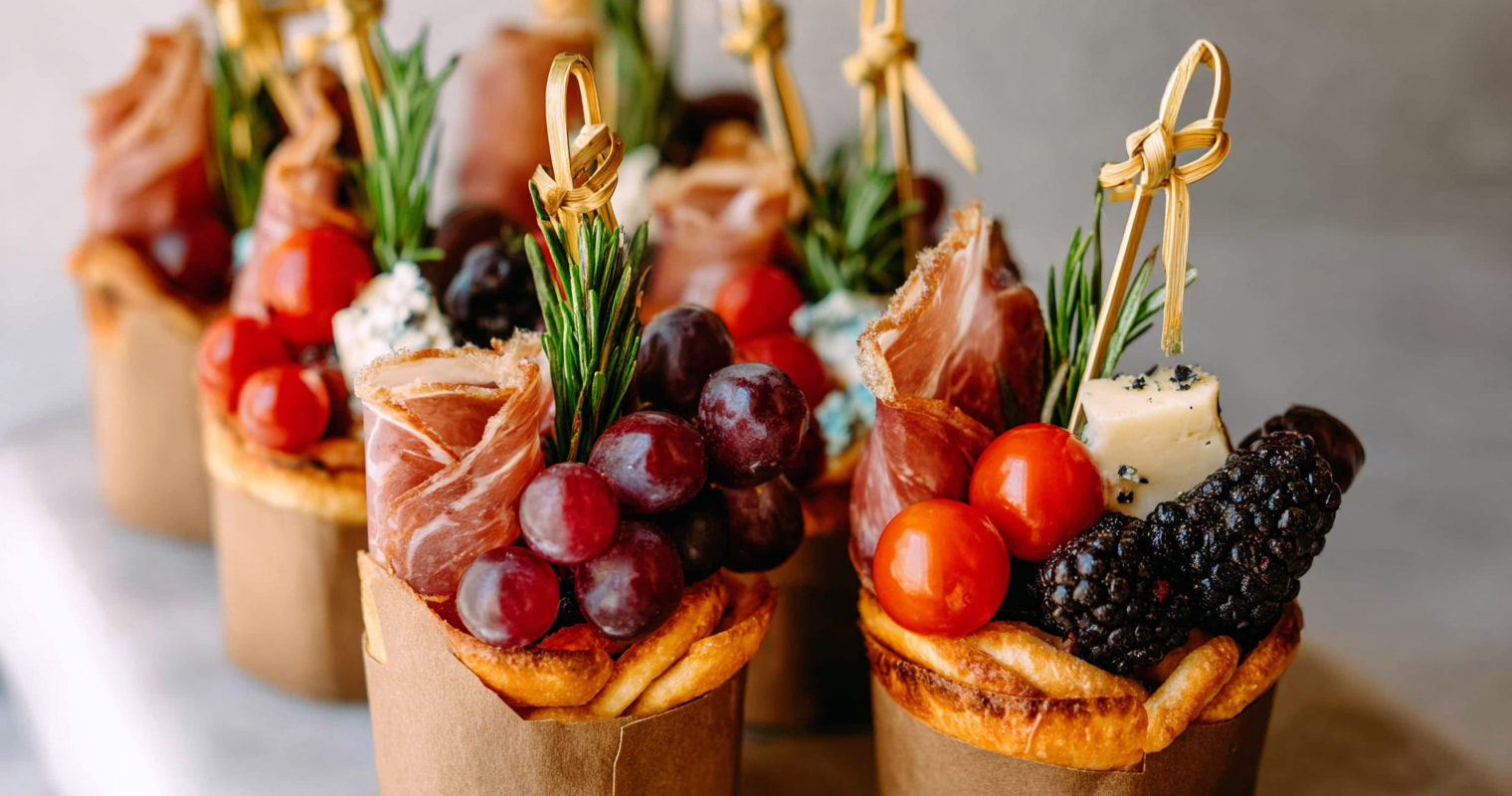
- Outdoor events and picnics: Prepare individual mason-jar style cups or small boards for guests to carry. Use washable bamboo boards and include covered containers to protect from insects.
- Interactive stations: Create a build-your-own mini-sandwich or crostini station with small bowls of spreads and toppings, encouraging guests to customize their bites.
- Vary heights by stacking bowls or using small risers.
- Keep color contrast in mind: bright fruits against dark meats, and fresh herbs for pops of green.
- Design flow: place palate-cleansing items like water crackers and fruit between strong-flavored components to guide tasting.
Unique Pairing Suggestions
Thoughtful pairings amplify the tasting experience. Pairings can be built around wine, beer, cocktails, and other food accompaniments. Consider balance: high-acidity wines cut through fattier meats, whereas a malty beer can complement smokier flavors. Wine pairings:- Light-bodied reds: Pinot Noir or Gamay for prosciutto and lighter charcuterie; acidity and soft tannins enhance delicate flavors.
- Full-bodied reds: Syrah or Tempranillo with spiced chorizo and smokier meats.
- Whites and sparkling: Sauvignon Blanc or Champagne pair well with creamy cheeses, briny olives, and honey-drizzled components.
- Craft beers: Pale ales for salty salami, sour beers for rich cheeses, and brown ales for smoked meats.
- Cocktails: A citrus-forward gin and tonic cuts through fat, while a rye-based Manhattan can stand up to robust, peppery meats.
- Fruit preserves and jams with aged cheeses to balance salt and tang.
- Honey and fig with blue cheese or tangy goat cheese for sweet-savory contrast.
- Pickled vegetables and mustard to add acidity and cleanse the palate between bites.
Cultural Variations of Charcuterie
Charcuterie-style spreads exist worldwide, each culture emphasizing local ingredients and presentation styles. Recognizing these variations can inspire fresh ideas for your boards. Spain:- Tapas and pinchos: Small plates like jamón ibérico, chorizo, Manchego, and marinated anchovies are served with bread and olives. Spanish spreads often balance smoky cured pork with tangy pickles and olive oil.
- Antipasto: Features salumi (prosciutto, mortadella), marinated vegetables, olives, and cheeses. Italian boards emphasize simple, high-quality ingredients and often include balsamic-glazed accents.
- Meze: A collection of small dishes such as hummus, labneh, marinated eggplant, and spiced cured meats in some regions. Meze focuses on communal dining and bold, herb-forward flavors.
- Preserved fish, smoked salmon, pickled vegetables, and hearty rye breads play a central role, often paired with dill, mustard, and butter.
Tips for Hosting a Charcuterie Party
Hosting is easier when you plan. Use these practical tips to streamline setup and ensure a relaxed gathering:- Plan portions: Estimate roughly 3–4 ounces of meats and 2–3 ounces of cheese per person for a longer event, less for a short gathering. Include ample bread and accompaniments to stretch items.
- Provide utensils and labels: Small forks, toothpicks, and serving knives prevent cross-contamination. Handwritten or printed labels help guests know what they're tasting, especially for vegan or allergen-sensitive items.
- Arrange for flow: Place the board in an accessible location with small plates nearby. Consider multiple stations for large groups to avoid congestion.
- Keep items at safe temperatures: Remove dairy and cured meats from the fridge 15–30 minutes before serving for optimal flavor; don't leave perishable items out for more than two hours at room temperature (less in hot environments).
- Balance variety and focus: Offer a mix of textures and flavors, but avoid overwhelming guests with too many similar items. The 3-3-3 approach (three meats, three cheeses, three accompaniments) is a helpful starting point.
- Accommodate dietary needs: Ask guests ahead of time about allergies and dietary restrictions. Provide clear vegetarian or vegan sections or separate boards when necessary.
Frequently Asked Questions
What does charcuterie mean literally? Charcuterie literally translates to "pork-butcher's shop" in French, referring specifically to prepared meat products. What is the 3-3-3 rule for charcuterie? The 3-3-3 rule suggests including three types of cured meats, three cheeses, and three accompaniments to create a balanced charcuterie board. What are common ingredients on a charcuterie board? Common ingredients include a variety of cured meats like prosciutto and salami, cheeses, fruits, nuts, spreads, and artisanal bread, all customizable to your preferences. What are some things to avoid on a charcuterie board? Avoid overly pungent cheeses, raw vegetables without dip, unpitted olives, and runny sauces, as they can complicate the tasting experience. How do I choose the best cheeses for my charcuterie board? Opt for a mix of textures and flavors by choosing soft, hard, and blue cheeses to create variety and enhance the tasting experience. Can I create a vegan charcuterie board? Absolutely! You can use plant-based cheeses, a variety of fruits, vegetables, dips, and grains to create an impressive vegan charcuterie board. How should I store leftover charcuterie? Store leftovers in airtight containers in the refrigerator to maintain freshness, ideally consuming them within a few days.Conclusion
Charcuterie is more than an arrangement of meats and cheeses; it's a social format that encourages tasting, discovery, and shared conversation. Whether you prefer traditional cured meats, an artisanal cheese-forward spread, or a vibrant vegan board, the principles remain the same: balance textures and flavors, present thoughtfully, and create an inviting atmosphere for guests to explore. Use the tips and ideas in this guide to plan your next charcuterie-centered gathering, and don't be afraid to experiment—some of the most memorable boards come from unexpected pairings and a touch of creativity. Happy entertaining!You might also like
recipe
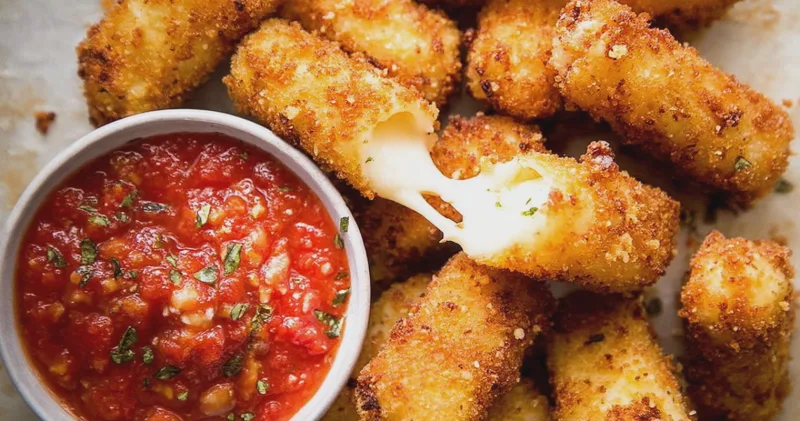
Irresistible Homemade Mozzarella Sticks You Can Make Tonight
May 19, 2026
Cook this nextExplore
recipe
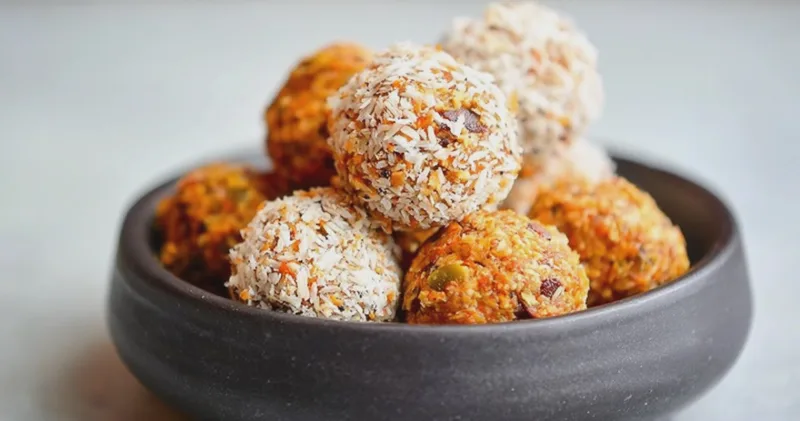
The Ultimate Healthy Carrot Cake Energy Balls Recipe
May 16, 2026
Cook this nextExplore
recipe
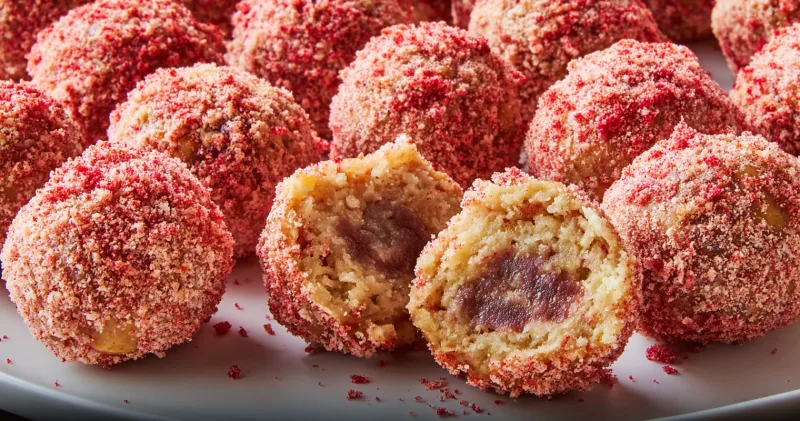
Irresistible Strawberry Crunch Protein Bites
May 14, 2026
Cook this nextExplore
recipe
Irresistible Cabbage Fritters Recipe
Apr 1, 2026
Cook this nextExplore
Reviews
Be the first to review this.