Decadent Peanut Butter Easter Eggs: A Must-Try Treat!
- Prep
- 30 min
- Cook
- 5 min
- Total
- 35 min
- Serves
- 14
- Calories
- 248 kcal
- Carbs
- 18.70 g
On this page11 quick jumps
TOC
11 quick jumps
Introduction
Introduction to Peanut Butter Easter Eggs
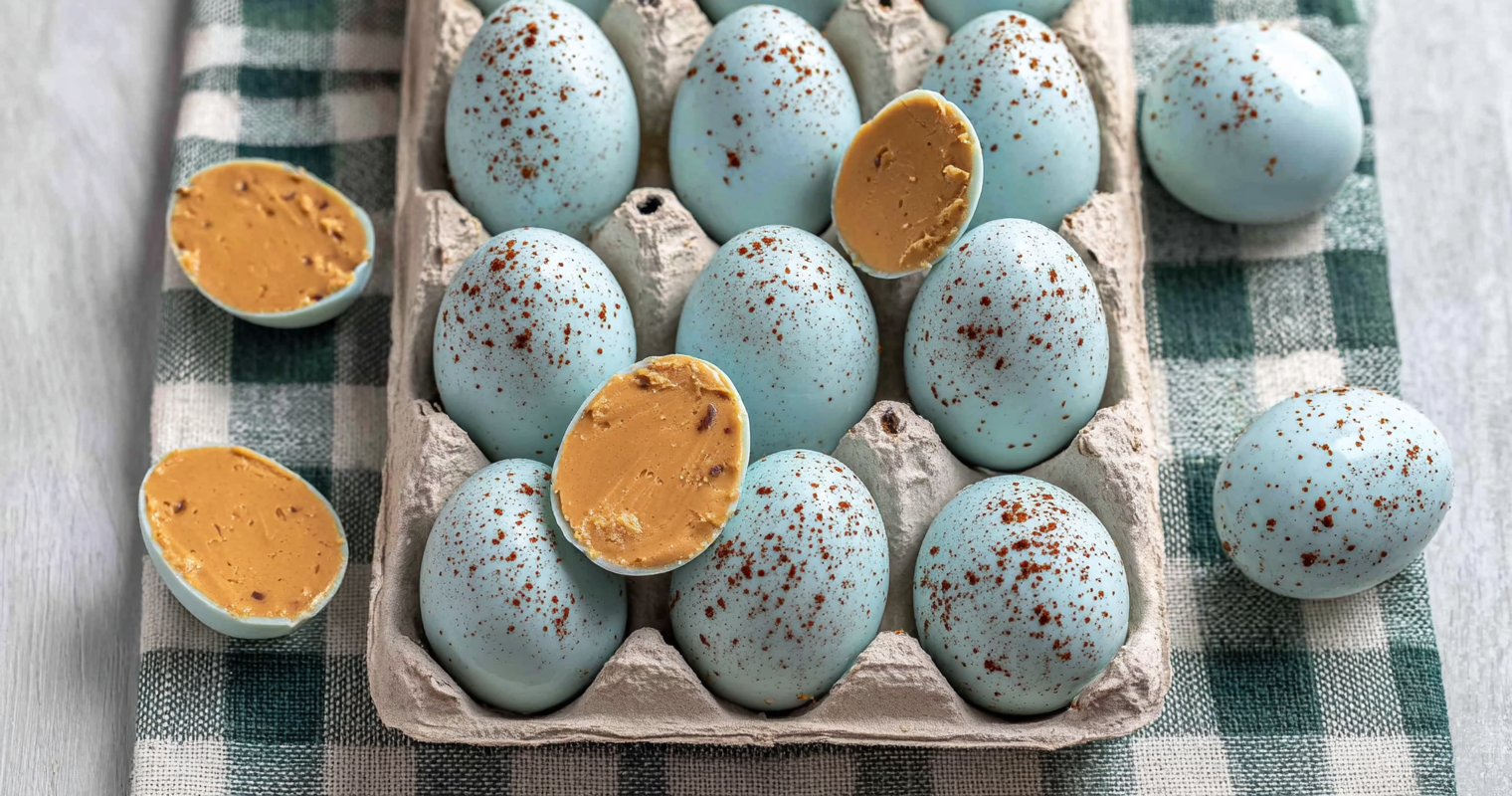
The delightful tradition of making and hiding Easter eggs brings back fond memories for many of us. Whether it’s the thrill of the hunt or the sweet taste of chocolate candies, Easter has a special place in our hearts. This year, why not add a nostalgic touch to your celebrations with homemade peanut butter Easter eggs? These treats not only resonate with the joy of candy-making but also bring a personal, homemade touch that appeals to both kids and adults alike.
Imagine the fun of rolling, shaping, and coating these delicious peanut butter eggs, reminiscent of the iconic Reese’s candy. With just a handful of ingredients, you can create an irresistible treat that brings smiles to everyone at your Easter gathering. So let’s roll up our sleeves and dive into the world of peanut butter Easter eggs!
Ingredients Needed
To prepare delicious peanut butter Easter eggs, you’ll need a mix of wholesome ingredients that come together to create this decadent treat. Below is a list of what you will need, along with some variations for those with dietary restrictions:
- Natural runny peanut butter – provides the creamy, nutty base that's essential for our filling; opt for a no-sugar-added variety for a healthier option.
- Maple syrup – adds sweetness and moistness to the mixture; if you prefer, you can use agave syrup for a vegan version.
- Powdered sugar – helps to sweeten and bind the filling together, assuring a consistent texture; for a sugar-free variant, consider using a sugar substitute that can be powdered.
- Almond flour – gives a nice texture to the filling; if nuts are a concern, oat flour or even coconut flour can serve as alternatives.
- Vanilla extract – enhances the flavor of the peanut butter and sugar; you can use a pure vanilla extract for a richer taste or omit it for a simpler flavor profile.
- Pinch of salt – balances the sweetness and emphasizes the flavors; don’t skip this step!
- White chocolate melting wafers – used for coating, giving that luscious finish; choose dairy-free options if you're going vegan.
- Coconut oil – helps to create a smooth melting chocolate; this is optional but recommended for better consistency.
- Blue spirulina and matcha powder – provide natural food coloring to achieve that beautiful Easter egg look; feel free to use any other food color if you prefer.
- Cocoa powder and water for speckles – gives the egg a realistic look; this is a fun and creative touch that can make your eggs stand out!
See the recipe card below for the full list of ingredients and measurements.
Step-by-Step Instructions
Making peanut butter Easter eggs involves mixing, shaping, freezing, and coating, resulting in a delightful treat that is easy for all cooks to master. Below are clear, step-by-step instructions to help you through the process:
- In a mixing bowl, beat together the natural peanut butter, maple syrup, powdered sugar, almond flour, vanilla extract, and a pinch of salt until everything is well combined. The mixture should be smooth and cohesive.
- Portion the peanut butter filling into two-tablespoon portions. Roll each piece into a ball—a fun, hands-on step!—and then shape each ball into an oval, mimicking the shape of an egg.
- Place the shaped eggs on a parchment paper-lined baking sheet. Once all are shaped, freeze them for about 20 minutes, allowing the filling to firm up while you prepare the coating.
- In a small bowl, whisk together cocoa powder and water to create a speckle mixture, and set it aside for later use.
- Add white chocolate melting wafers and coconut oil to a microwave-safe bowl. Microwave them in 15-20 second intervals, stirring well in between, until fully melted. Whisk in the spirulina and matcha (or any food coloring you choose), adjusting colors as desired. You can pour the melted chocolate into a short drinking glass for easier dipping.
- When the eggs are semi-frozen, it’s time to coat them! Stick a toothpick into the bottom of each egg, then dip it into the melted white chocolate. Allow any excess chocolate to drip back into the bowl.
- Wait until the chocolate coating is almost hardened (about 3-4 minutes). Then, promptly return the eggs to the parchment paper and carefully remove the toothpick. This step is crucial to avoid cracking.
- To decorate, dip a pastry brush into the cocoa powder mixture. Hold it about 8 inches above your eggs and flick the brush to create nice speckles on their surface. Let your beautifully decorated eggs rest in the fridge for about 10 minutes until the coating sets completely.
Tips for Perfecting Your Eggs
Making peanut butter Easter eggs is a fun and rewarding experience, but here are some pro tips to ensure they turn out perfectly:
- For achieving an even chocolate coating, consider melting the chocolate to just the right temperature; it should be smooth and slightly warm but never too hot.
- Prevent melting by keeping your kitchen cool while working with chocolate. If you're having trouble with the chocolate pooling, try refrigerating your eggs once coated.
- Ensure each egg is frozen adequately before dipping to maintain its shape; if they are too soft, the chocolate may not adhere nicely.
- Use a toothpick or a skewer to dip the eggs; it makes it easier to handle and minimize mess.
- If you want to experiment, try adding different flavors to the peanut butter mixture, such as coconut extract for a tropical twist!
For another delightful treat, try making Peanut Butter No-Bake Cookies that are easy to whip up and delicious!
Nutritional Benefits of the Ingredients
While peanut butter Easter eggs are undeniably a sweet treat, they also come with some nutritional benefits worth noting:
- Natural peanut butter is an excellent source of protein and healthy fats. It has fewer additives compared to conventional peanut butter, making it a healthier choice.
- Maple syrup contains antioxidants and nutrients like zinc and manganese, providing a good alternative to refined sugars.
- Almond flour is lower in carbs than regular flour and provides healthy fats and proteins, making your peanut butter eggs more satisfying.
- White chocolate gives a delicious taste, but moderation is key due to its sugar content; consider dark chocolate for a richer flavor and added antioxidants.
Consider making a Fluffy No-Bake Peanut Butter Pie for dessert, which is not only tasty but highlights the richness of peanut butter.
Creative Variations to Try
Get creative! There are numerous ways to personalize your peanut butter Easter eggs:
- Add flavorings such as peppermint extract for a refreshing twist or cocoa powder to the filling for a chocolate peanut butter version.
- Incorporate textures by adding crunchy elements like chopped peanuts or pretzels into the peanut butter filling for a fun crunch.
- Vary the decorations! Use colored chocolate melts or sprinkles to dress your eggs for Easter. Kids will especially enjoy this part!
- For the health conscious, try a sugar-free version by substituting maple syrup with a sugar-free sweetener suitable for baking and using dark chocolate instead of white chocolate.
If you're looking for a simpler option, check out this No-Bake Reese's Peanut Butter Lush that requires no baking at all!
Storage Tips and Shelf Life
After you’ve made your beautiful peanut butter Easter eggs, storing them properly is essential:
- Keep them in an airtight container in the refrigerator, where they will stay fresh for about one week. This keeps the filling from becoming too soft.
- If you want to save some for later, freezing is a great option. Place the eggs in a single layer in a freezer bag with as much air removed as possible, and they can last up to three months!
- When thawing, place them in the refrigerator overnight rather than at room temperature for the best texture.
FAQs About Peanut Butter Easter Eggs
Here are some common questions readers often have about making these delicious treats:
- Can I use any type of peanut butter for this recipe? For the best results, it’s recommended to use natural, runny peanut butter without added sugar. However, you can experiment with other types, but they may alter the texture and flavor.
- How can I make these peanut butter eggs vegan? You can substitute the honey or maple syrup with agave syrup and use dairy-free chocolate for coating to make these eggs vegan-friendly.
- How long do these peanut butter Easter eggs last? Homemade peanut butter Easter eggs can be stored in the refrigerator for about a week, or you can freeze them for up to three months in a freezer bag.
- What are some good alternatives for the almond flour? If you need a substitute for almond flour, you can use any other nut flour or even oat flour. Just ensure it fits your dietary needs.
- Can I decorate these eggs for Easter? Absolutely! You can add sprinkles, edible glitter, or use colored chocolate for decorative coatings to make your peanut butter eggs festive for Easter!
Conclusion and Serving Suggestions
Making homemade peanut butter Easter eggs is not just a culinary activity; it’s a delightful way to bond with family and enjoy the spirit of the holiday. These homemade treats are perfect for sharing or using as unique party favors. Serve them in colorful baskets, display them as centerpieces, or arrange them on candy tables to add a delightful touch to your Easter celebrations.
We encourage you to gather the ingredients, invite some friends or family over, and embark on this fun Easter baking adventure. As you create and decorate your peanut butter eggs, don’t forget to share your creations online and spread the joy of this delicious and nostalgic treat!
Instructions
- 1
In a mixing bowl, beat together the peanut butter, maple syrup, powdered sugar, almond flour, vanilla extract and salt until well combined.
- 2
Portion the peanut butter filling into 2-tablespoon portions. Roll each one into a ball, then shape into an oval (egg-shaped).
- 3
Place on a parchment paper-lined baking sheet and freeze while you prepare the coating.
- 4
Whisk together the cocoa powder and water in a small bowl and set aside.
- 5
Add the white chocolate and coconut oil to a microwave-safe bowl. Microwave in 15-20 second intervals, stirring well until fully melted. Whisk in the spirulina and matcha, adjusting colors as desired.
- 6
Stick a toothpick in the bottom of an egg, dip in the white chocolate, and let the excess drip off. Wait until the white chocolate is mostly hardened, then return to parchment paper and remove the toothpick.
- 7
To make the speckles, dip a pastry brush in the cocoa powder/water mixture and flick over the eggs. Refrigerate until chocolate dries out (~10 minutes).
Recipe Card
Decadent Peanut Butter Easter Eggs: A Must-Try Treat!
Keep it handy for later, send it to someone cooking with you, or open the clean print view.
- Prep
- 30 min
- Total
- 35 min
- Serves
- 14
You might also like
Delicious No Bake Berry Cheesecake Recipe
May 21, 2026
Deliciously Easy Strawberry Pistachio Olive Oil Cake Recipe
May 21, 2026
Irresistible Raspberry Peach Cake Recipe
May 21, 2026
The Ultimate Passion Fruit Cake Recipe
May 21, 2026
Reviews
Be the first to review this.