
Introduction
\n
There’s something magical about the first time you experience the vibrant flavor of passion fruit. I still remember my childhood visits to the local market, where the air was perfumed with exotic scents. Among the colorful fruits, the passion fruit caught my eye with its wrinkled skin and enticing aroma. It became a treat I could hardly resist. From then on, I always had a special place in my heart for this unique fruit.
\n
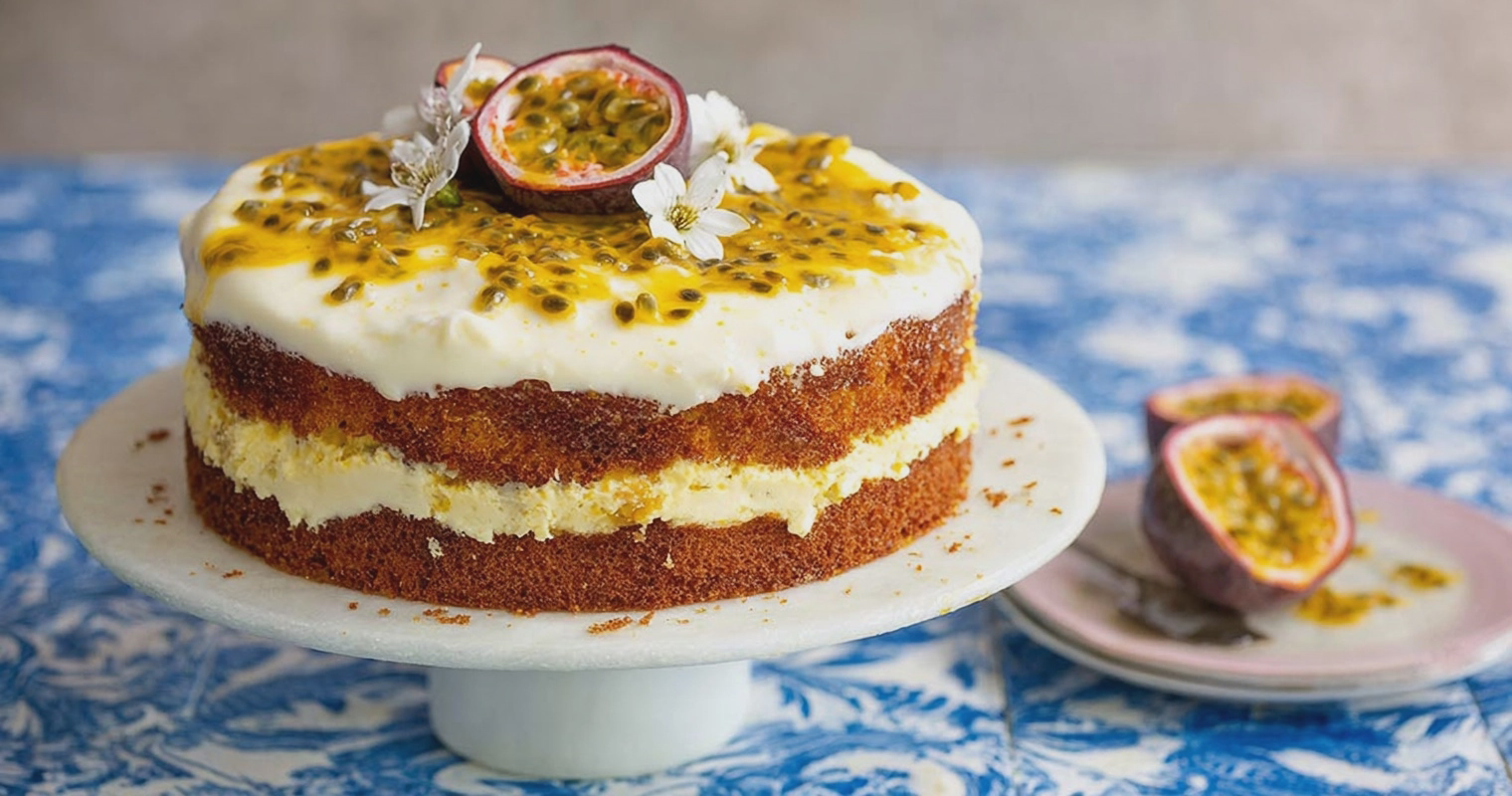
When I decided to create a cake centered around this tropical gem, I wanted to combine its tangy sweetness with light, fluffy layers that would transport anyone who tasted it back to those sunny market days. My passion fruit cake reflects that joy and nostalgia. Its vibrant flavors are not just a delight to the taste buds but are also a celebration of cherished memories, making it the perfect dessert for any occasion.
\n\n
What is Passion Fruit?
\n
Passion fruit, or Passiflora edulis, is a small, round, and often purple or yellow fruit known for its aromatic flavor and juicy pulp. Originating from South America, it has spread across the world, becoming a culinary favorite in many cultures. The inner pulp contains numerous tiny seeds and is surrounded by a gel-like substance that adds a delightful tang and tropical note.
\n
Nutritionally, passion fruit is a powerhouse. It is rich in vitamins A and C, dietary fiber, and beneficial plant compounds. Its complex flavor profile combines sweet, acidic, and floral notes, making it an ideal ingredient in various dishes, particularly in baked goods. When used in cakes, passion fruit adds moisture, a beautiful color, and a refreshing zing that can elevate any dessert.
\n\n
Ingredients
\n
Making the perfect passion fruit cake starts with assembling the right ingredients. Here’s what you’ll need to create this delightful treat:
\n
- \n
- Granulated sugar – sweetens the cake and enhances the moisture, making it fluffy and tender.
- Passion fruit pulp – adds a unique, tropical flavor; fresh is best, though frozen pulp works well too.
- Lime juice – provides a tangy balance, offsetting the sweetness of the cake.
- Self-raising flour – gives the cake its rise and airy texture.
- Eggs – bind the ingredients together and create a rich structure for the cake.
- Cold unsalted butter – contributes to the cake’s moist texture and rich flavor.
- Milk – adds moisture and helps create a tender crumb.
- Vanilla extract – enriches the flavor profile, enhancing the overall taste.
- Mascarpone cheese (or cream cheese) – pairs beautifully with the cake, creating a rich frosting.
- Heavy cream – to whip into fluffy deliciousness for the frosting.
- Powdered sugar – sweetens the frosting and helps stabilize it.
- Fresh passion fruit – used for decoration and additional flavor as a drizzle.
- Mini meringues – optional, for a delightful finishing touch that adds an element of crunch.
\n
\n
\n
\n
\n
\n
\n
\n
\n
\n
\n
\n
\n
\n
See the recipe card below for the full list of ingredients and measurements.
\n\n
Instructions
\n
Now that we have all our ingredients ready, let’s embark on the journey to create a stunning passion fruit cake. Follow these detailed steps for the best results:
\n
- \n
- Start by preparing the passion fruit syrup. In a saucepan, combine the passion fruit pulp, sugar, and lime juice. Place it over low heat and bring to a simmer. Stir until the sugar is fully dissolved, then remove from heat and allow to cool. The syrup will thicken as it cools.
- Preheat your oven to 320°F (160°C). Prepare an 8-inch deep cake pan by misting it with cake release spray and lining it with baking paper.
- In a mixing bowl, sift the self-raising flour and mix in the granulated sugar.
- Add the cubed cold unsalted butter to the flour mixture and rub it between your fingertips until it becomes a fine breadcrumb texture.
- Pour in the milk, passion fruit pulp, eggs, and vanilla extract, stirring until you achieve a smooth batter. Make sure to mix until the batter is well combined.
- Pour the batter into the prepared pan and level it out to ensure an even bake.
- Bake for about 40-45 minutes or until the top turns golden and a skewer inserted in the center comes out clean.
- Once baked, run a knife around the edge of the cake to loosen it, then gently invert it onto a wire rack to cool. It’s crucial to allow the cake to cool completely before slicing it horizontally in half.
- While your cake cools, prepare the frosting: in a mixing bowl, add the mascarpone cheese, heavy cream, powdered sugar, and vanilla extract. Beat until the mixture holds stiff peaks, then gently fold in some more passion fruit pulp. Keep the frosting chilled until you’re ready to assemble your cake.
- Once the cake is cooled and sliced, place the bottom layer on a serving plate. Brush with the cooled passion fruit syrup, then generously spread a layer of frosting over it.
- Place the top layer of the cake on the frosted base. Spread the remaining frosting on top and create swirls for decoration. Drizzle more passion fruit syrup over the top.
- For an extra touch, top the cake with fresh passion fruit halves and mini meringues before serving. Enjoy!
\n
\n
\n
\n
\n
\n
\n
\n
\n
\n
\n
\n
\n\n
Tips for Baking the Perfect Cake
\n
Baking can sometimes feel daunting, but with a few tips and tricks, you can ensure your passion fruit cake is a hit:
\n
- \n
- Use fresh passion fruit for the most vibrant flavor. If unavailable, frozen puree is a great substitute. Just thaw it and use as you would fresh.
- When measuring flour, make sure to spoon it into the measuring cup and level it off. This prevents packing too much flour, which can make the cake dense.
- Beat the frosting ingredients until you achieve stiff peaks—this ensures your frosting will hold its shape beautifully when spread on the cake.
- To test for doneness, insert a skewer in the middle; it should come out clean or with a few moist crumbs. If there’s wet batter, give it more time in the oven.
- Don’t open the oven door too early while baking, as this can cause the cake to sink. Only check the cake towards the end of the baking time.
- Let the cake cool completely before frosting it to prevent the frosting from melting and sliding off.
\n
\n
\n
\n
\n
\n
\n\n
Alternative Frosting Ideas
\n
If you’re looking for variations, here are some creative frosting ideas to pair with your passion fruit cake:
\n
- \n
- Coconut whipped cream – for a light and fluffy tropical twist.
- Vanilla buttercream – a classic choice that complements the tanginess of passion fruit.
- Cream cheese frosting with passion fruit drizzle – adds a rich, tangy layer that beautifully enhances the cake.
\n
\n
\n
\n
For a tangy twist, consider trying our lemon cream cheese frosting to complement the vibrant flavors of your passion fruit cake.
\n\n
Serving Suggestions
\n
How you serve your passion fruit cake can elevate the experience further. Here are some fun ideas:
\n
- \n
- Pair your cake with fresh tropical fruit or a scoop of sorbet for a refreshing dessert.
- Consider serving it alongside a light dish like chicken pasta primavera for a delightful meal.
- Add a dollop of cream or yogurt on the side to balance the sweetness of the cake.
- For big gatherings, slice and serve on a platter alongside other treats like lemon pound cake or a fruity strawberry cobbler.
\n
\n
\n
\n
\n\n
Nutrition Information
\n
While this passion fruit cake is undoubtedly a treat, it does have some nutritional benefits to highlight:
\n
- \n
- Calories per serving: 447 kcal
- Fat content: 26 g
- Carbohydrates: 51 g
- Protein: 6 g
\n
\n
\n
\n
\n
The presence of passion fruit means you’re also gaining the benefits of vitamins and antioxidants, making this not just a dessert but a worthy indulgence!
\n\n
FAQs about Passion Fruit Cake
\n
Here are some questions you might have about making your passion fruit cake:
\n
- \n
- Can I use frozen passion fruit pulp for this recipe?
Absolutely! Frozen passion fruit pulp is a great substitute, especially if fresh passion fruit isn’t available. Just make sure to thaw it before using. - How should I store leftover passion fruit cake?
Store any leftover cake in an airtight container in the fridge for up to 3 days. You can also freeze it for longer storage! - What can I do with leftover passion fruit pulp?
Leftover pulp can be used in smoothies, yogurt, or as a topping for desserts. It’s a delicious way to add a tropical twist! - Can I make this cake gluten-free?
Yes! You can use a gluten-free all-purpose flour blend in place of regular flour to cater to gluten-free diets. Just ensure it has xanthan gum or add it separately. - What is the best way to test if the cake is done baking?
You can insert a skewer or toothpick into the center of the cake. If it comes out clean or with a few crumbs attached, the cake is done!
\n
\n
\n
\n
\n
\n\n
Conclusion
\n
Baking with passion fruit is not just about creating a sweet treat; it’s about crafting memories and experiences. I encourage you to try this passion fruit cake recipe and share your own stories and variations with friends and family. Let each slice remind you of joyful moments, whether it’s a sunny afternoon or a festive gathering. Your baking adventure awaits!
Passion Fruit Cake
Ingredients
Main Ingredients
- 100 g granulated sugar
- 60 g passion fruit pulp (from 3 large fruit)
- 2 tbsp lime juice
- 260 g self raising flour
- 250 g sugar (caster or granulated)
- 2 large eggs
- 115 g cold unsalted butter (cubed)
- 60 ml milk
- 1 tsp vanilla extract
- 250 g full fat mascarpone cheese (or cream cheese)
- 240 ml heavy cream (cold)
- 5 tbsp powdered sugar (icing sugar)
- 1 tsp vanilla extract or paste
- 60 g passion fruit pulp (from 3 large fruit)
- fresh passion fruit
- mini meringues
Instructions
- Add the passion fruit pulp, sugar and lime juice to a saucepan. Bring to a simmer, stirring until the sugar dissolves. Take off the heat and let it cool down completely.
- Preheat the oven to 320°F/160°C. Mist an 8-inch deep cake pan with cake release and line with baking paper. Sift the self raising flour into a mixing bowl. Add the sugar and stir to combine.
- Add the cubed butter and rub it in with your fingertips to create a fine breadcrumb consistency.
- Add the milk, passion fruit pulp, eggs and vanilla. Stir to combine until the batter is smooth. Pour the batter into the prepared pan and level.
- Bake for 40-45 minutes, or until the cake is golden and feels firm to the touch. A skewer inserted in the centre should come out clean.
- Run a knife around the edge of the cake tin and gently turn the cake out onto a wire rack. Make sure the cake has cooled completely before slicing in half horizontally.
- Place the mascarpone, heavy cream, powdered sugar and vanilla bean paste into a mixing bowl. Beat until the frosting holds peaks. Stir in passion fruit pulp and keep chilled.
- Put the bottom cake layer on a plate and brush with syrup. Spread with frosting and sandwich with the top layer.
- Spread remaining frosting on top and swirl it. Drizzle with passion fruit syrup. Decorate and serve!