
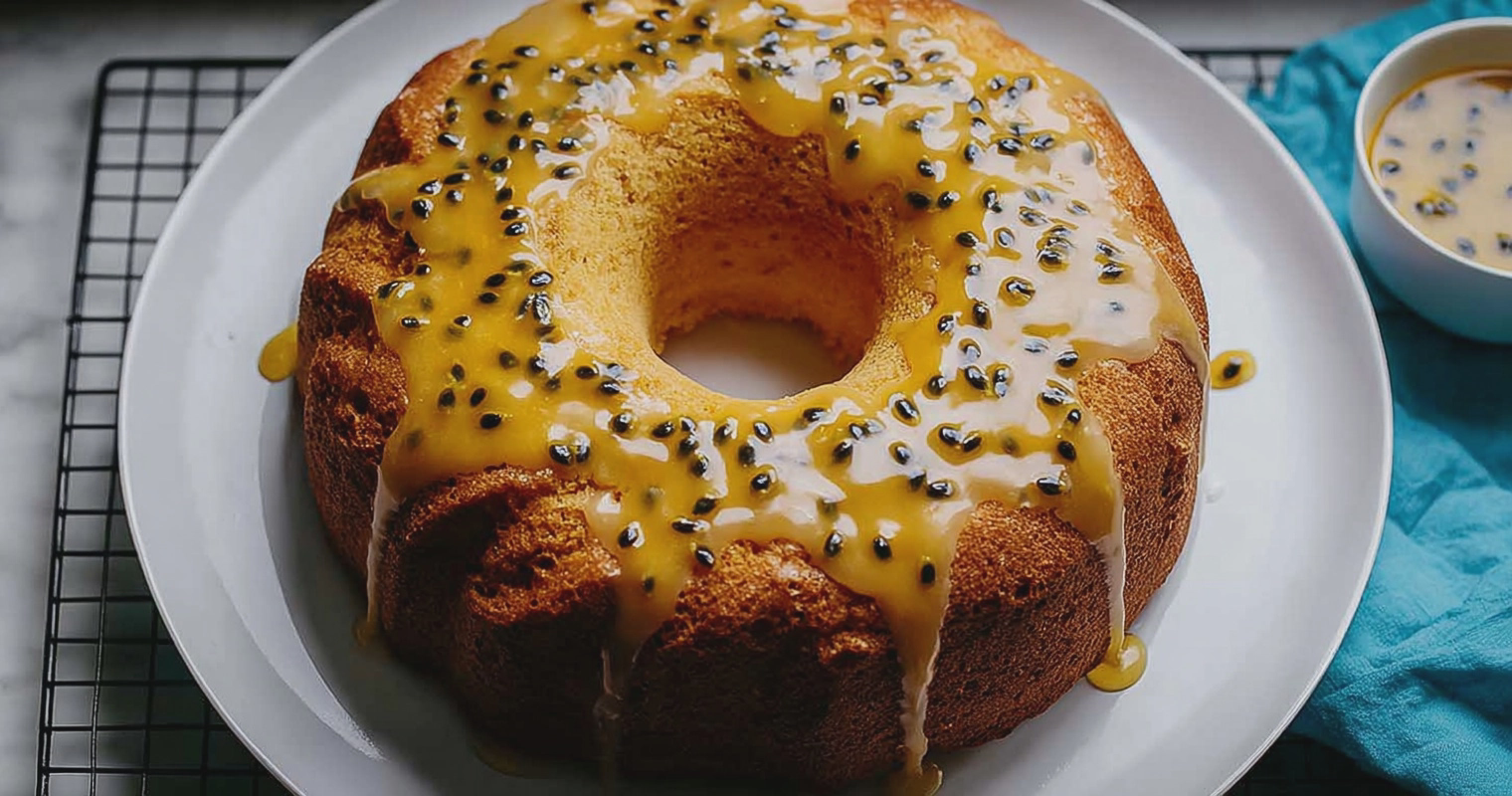
Introduction to Mango Coconut Cake
\n
Welcome to the tropics! The Mango Coconut Cake is a slice of summer sunshine that transports you to sandy beaches with every bite. Imagine moist layers infused with the sweet nectar of ripe mangoes and the delightful chewiness of coconut. This cake features a bright, tropical flavor that is both refreshing and indulgent, making it perfect for warm-weather gatherings, casual get-togethers, or even just as a sweet treat to brighten your day.
\n
Whether you are hosting a lively summer party or a serene afternoon tea, this mango coconut cake can charm your guests and leave a lasting impression. With its vibrant yellow hue and the tangy drizzle of passionfruit glaze, it’s as beautiful as it is delicious. The delightful balance of flavors makes this cake an instant favorite, eagerly devoured by both kids and adults alike.
\n\n
The History and Cultural Significance of Mango Coconut Cake
\n
The combination of mango and coconut is not just a match made in dessert heaven; it also has deep cultural roots in many tropical regions around the world. Both ingredients have been staples in various cuisines, with mangoes often referred to as the \”king of fruits.\” Native to South Asia, mangoes have been cultivated for thousands of years, celebrated in religious events, and even featured in folklore.
\n
Coconuts, on the other hand, are versatile and have been utilized in numerous traditional dishes across several cultures. In Southeast Asia and the Caribbean, coconut plays a significant role in cooking and baking, providing essential fats, flavors, and textures. The use of these two ingredients together often symbolizes tropical celebrations and festive occasions, where their lush flavors bring joy and communal spirit.
\n
Fun Fact: Did you know that the world’s largest mango festival takes place in India? This festival showcases the many varieties of mangoes, celebrating their importance in regional cuisine and culture.
\n\n
Key Ingredients for Success
\n
When it comes to making a delicious mango coconut cake, using high-quality ingredients is key. Here’s what you’ll need:
\n
- \n
- Mangoes – Fresh, ripe mangoes are essential for a rich flavor and velvety texture in the cake. You can also opt for pureed mango for an intense taste.
- Coconut milk – Adds a creamy richness and enhances the tropical vibe. For an even stronger coconut flavor, consider using coconut cream.
- Flour – All-purpose flour serves as the base, providing structure to the cake. For a gluten-free version, you can use a gluten-free flour blend.
- Sugar – Brown sugar lends a hint of molasses flavor, complementing the mango beautifully while adding moisture.
- Butter – Melted butter adds richness and contributes to a moist crumb. You can substitute with vegetable oil for a dairy-free version.
- Eggs – Eggs help bind the ingredients and create a fluffy texture. For a vegan option, use flax eggs or applesauce as substitutes.
- Passionfruit pulp – This tangy glaze adds a burst of flavor and a visually appealing finish.
\n
\n
\n
\n
\n
\n
\n
\n
See the recipe card below for the full list of ingredients and measurements.
\n\n
Step-by-Step Instructions for Making Mango Coconut Cake
\n
Creating this mango coconut masterpiece is a delightful process. Follow these steps closely to achieve the best results:
\n
- \n
- Preheat your oven to 180 degrees Celsius (fan-forced) and grease a 25cm (10-inch) bundt cake tin.
- In a medium bowl, mix together the flour, desiccated coconut, baking powder, sugar, and a pinch of salt until well combined. Set aside.
- In another large mixing bowl, whisk together the melted butter, honey, pureed mango, and eggs until fully blended.
- Gradually add the dry ingredient mix to the wet mixture, stirring gently until you have a smooth batter. Be careful not to overmix, as this can lead to a dense cake.
- Pour the batter into the prepared bundt tin, smoothing the top with a spatula if needed.
- Bake in the preheated oven for 35-40 minutes. The cake is done when a skewer inserted into the center comes out clean and the top is golden brown.
- Once baked, allow the cake to cool for about 15 minutes in the tin before inverting it onto a wire rack to cool completely.
- While the cake cools, prepare the passionfruit glaze by placing the passionfruit pulp in a small saucepan over medium-high heat.
- In a separate bowl, make a slurry by mixing cornflour and water, then add it to the passionfruit in the saucepan, stirring well to incorporate everything.
- Cook the mixture for a few minutes until it thickens, then remove from heat and let it cool before using it to drizzle over the cooled cake.
\n
\n
\n
\n
\n
\n
\n
\n
\n
\n
\n
Don’t forget to taste the batter for quality control—a perk of baking!
\n\n
Tips for Perfecting Your Cake
\n
A little baking wisdom goes a long way. Here are some expert tips to ensure your mango coconut cake turns out perfect every time:
\n
- \n
- Ensure accurate measurements – Baking is a science; use a kitchen scale if possible to weigh your ingredients for the best results.
- Room temperature ingredients – Allow eggs and butter to come to room temperature before mixing, as this helps create a fluffy batter.
- Avoid overmixing – Gently combine the wet and dry ingredients to maintain the cake’s light texture. Overmixing can lead to a tough cake.
- Testing for doneness – Use a toothpick or skewer to check if the cake is done. If it comes out clean from the center, and the edges slightly pull away from the pan, you’re good to go!
- Storage tips – If your cake turns out dry, consider baking it a little less next time. Also, ensure it cools completely before storing to prevent moisture buildup.
- Frosting options – Experiment with different frostings such as cream cheese frosting or a coconut whipped cream to enhance the tropical flavors.
\n
\n
\n
\n
\n
\n
\n\n
Serving Suggestions
\n
Once your mango coconut cake has cooled and is adorned with its passionfruit glaze, it’s time to serve it up! Here are some delightful serving suggestions to impress your guests:
\n
- \n
- Pair your cake with coconut whipped cream for a rich and creamy complement.
- Top with fresh tropical fruits like slices of kiwi, pineapple, or additional mangoes for a fruity explosion.
- For a refreshing twist, serve alongside a scoop of mango sorbet or even a tropical fruit salad.
- Drizzle with extra passionfruit glaze and sprinkle toasted coconut flakes on top for a stunning presentation.
\n
\n
\n
\n
\n
Enhance your tropical experience with our Summer Mango Coconut Float Milkshake for another refreshing treat.
\n
For a unique flavor combination that’s sure to impress your guests, consider pairing your cake with Mango Salsa.
\n\n
Nutritional Information and Health Considerations
\n
For those curious about the nutritional profile of their indulgence, here’s a quick breakdown:
\n
- \n
- Calories: Approximately 405 kcal per slice
- Fat: 21 g, contributing to the cake’s moist texture
- Carbohydrates: 51 g, primarily from natural sugars and flour
- Protein: 7 g, derived from eggs and coconut
\n
\n
\n
\n
\n
Mangoes are rich in vitamins A and C, and coconuts provide healthy fats. This cake also allows for modifications, such as reducing sugar or using whole grain flour for a healthier adaptation, ensuring you can indulge without guilt!
\n\n
Frequently Asked Questions
\n
Here are some common questions about baking and storing the mango coconut cake:
\n
- \n
- Can I use frozen mangoes for this cake? Yes, you can absolutely use frozen mangoes! Just make sure to thaw and purée them before adding to the batter. The flavor will still be delightful.
- How should I store leftovers? Store any leftover cake in an airtight container at room temperature for up to 3 days, or in the refrigerator for up to a week. You can also freeze slices for longer storage!
- What can I substitute for eggs in this recipe? You can use flax eggs by mixing 1 tablespoon of ground flaxseed with 2.5 tablespoons of water for each egg. Let it sit until it thickens.
- How can I make the cake gluten-free? Simply substitute the all-purpose flour with a gluten-free flour blend that includes xanthan gum to help with texture.
- Can I add more coconut flavor to the cake? Absolutely! You can enhance the coconut experience by adding extra coconut flakes or using coconut cream in place of some of the butter.
\n
\n
\n
\n
\n
\n
Conclusion and Next Steps
\n
Making and sharing a mango coconut cake is not just about baking; it’s about creating joyful experiences around the table with loved ones. So why not gather your ingredients and start your tropical baking adventure today? Don’t hesitate to sprinkle in your own creative twists to this recipe!
\n
If you love tropical flavors, you should also try our Pineapple Coconut Dream Cake for a delightful twist. And don’t forget to share your mango coconut cake creations on social media with friends and family! Happy baking!
\n

Mango Coconut Cake
Ingredients
Dry Ingredients
- 230 g all-purpose flour
- 100 g desiccated coconut
- 2 tsp baking powder
- 50 g brown sugar
Wet Ingredients
- 100 g butter melted
- 80 ml honey
- 350 g mango pureed flesh
- 2 eggs
For the Passionfruit Glaze
- 170 g passionfruit pulp only
- 1 tsp cornflour
- 1 tbsp water
Instructions
- Preheat your oven to 180 deg C (fan-forced) and grease a 25cm (10 inch) bundt cake tin.
- In a medium bowl, combine the flour, coconut, baking powder, sugar, and salt. Stir to combine thoroughly and set aside.
- In another bowl, combine the melted butter, honey, mango, and eggs. Stir well, ensuring it is all mixed.
- Combine the wet and dry ingredients and mix well until you have a batter.
- Pour the mixture into the prepared bundt tin.
- Bake in the oven for 35-40 mins until a skewer inserted comes out clean and the cake is golden brown. Allow to cool for 15 minutes before inverting onto a wire rack to finish cooling.
- Drizzle the entire cake with the passionfruit glaze and enjoy!
- For the Passionfruit Glaze: Place the passionfruit pulp in a small saucepan over medium-high heat.
- Make a slurry by mixing the cornflour and water, then add it to the passionfruit, stirring to incorporate.
- Allow it to cook for a few mins before it thickens, then remove from the heat and allow to cool before using.