
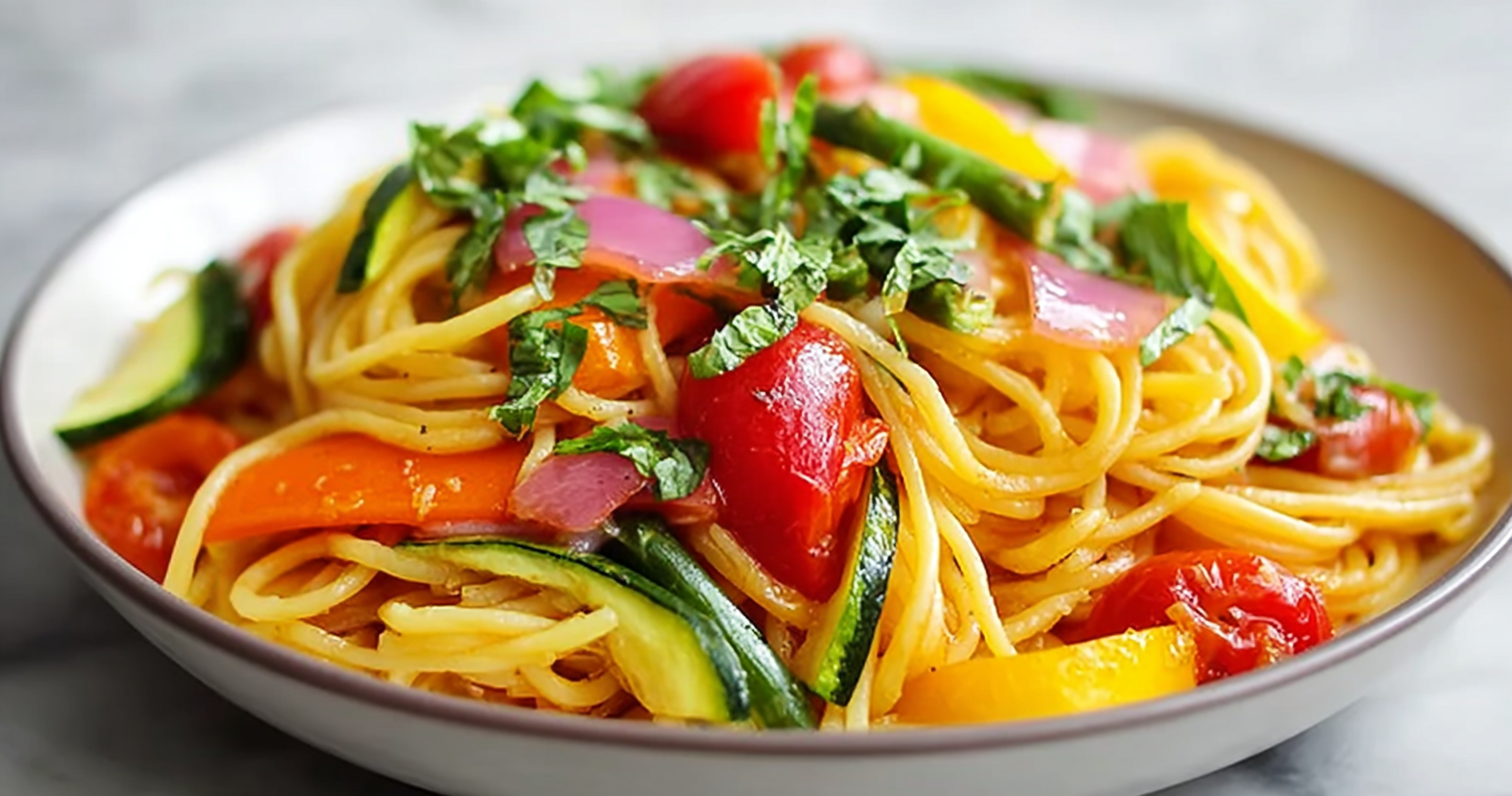
Introduction to Pasta Primavera
Pasta Primavera is not just a dish; it’s a celebration of spring flavors and colors, a culinary ode to the freshest of vegetables. Emerging from the Italian-American tradition, it captures the essence of seasonal eating, bringing life and vibrancy to your plate. The dish is believed to have originated in the 1970s, revolutionizing pasta meals by incorporating an array of fresh vegetables sautéed to perfection. Over time, Pasta Primavera has transitioned into a light and healthy option for many home cooks, embodying the spirit of healthful eating and the joy of reinvention in the kitchen.
The name ‘Primavera’ means ‘spring’ in Italian, aptly reflecting this dish’s joyful, colorful nature. It’s a canvas for any number of seasonal vegetables and embodies the celebration of the harvest, highlighting the beauty of locally grown produce. The bright hues of bell peppers, zucchini, and asparagus signify not just culinary delights but also a return to freshness after the colder months. Each ingredient enhances the other, creating a symphony of flavors and textures, making Pasta Primavera ideal for those looking for a healthy yet satisfying meal.
This dish is perfect for those who seek a quick meal that is not only nutritious but also visually appealing. Whether you’re preparing it for a family dinner or impressing guests, Pasta Primavera showcases the beauty of simplicity and the power of fresh ingredients. As you cook this delightful dish, I encourage you to explore the seasonal bounty available at your local market—you’ll be surprised by the delightful combinations you can create!
Ingredients You’ll Need
When it comes to preparing Pasta Primavera, the choice of ingredients can significantly impact both flavor and presentation. Here’s what you’ll typically need:
- Pasta – Traditionally, penne or fusilli is used; these shapes hold onto the sauce and vegetables perfectly, making each bite a hearty one.
- Fresh Vegetables – Look for seasonal options like asparagus, bell peppers, zucchini, and snap peas that enhance the dish’s freshness and color.
- Olive Oil – A drizzle of quality extra virgin olive oil is essential for sautéing and adds a rich flavor that complements the vegetables.
- Garlic – Sliced thin for a fragrant base, it delivers that savory punch that infuses the dish.
- Red Pepper Flakes – A touch of heat to elevate the flavors beautifully; adjust according to your spice tolerance.
- Parmigiano-Reggiano – This freshly grated cheese brings a creamy texture and umami flavor to finish the dish.
- Lemon – Zest and juice not only brighten the overall flavor but also balance the richness of the cheese.
- Fresh Basil – A wonderful herb that adds aromatic freshness; its green chiffonade provides a beautiful garnish as well.
For those with different dietary preferences, here’s how you can adapt the ingredients:
Vegan Version:
- Omit the Parmigiano-Reggiano or replace it with a plant-based cheese alternative.
Gluten-Free Version:
- Substitute your favorite gluten-free pasta, ensuring it’s a shape that pairs well with the vegetables.
When sourcing vegetables, choose fresh, seasonal produce whenever possible. The vibrancy in flavors from fresh ingredients has no substitute! And feel free to experiment—if you have leftover vegetables from previous meals, throw them in as well!
See the recipe card below for the full list of ingredients and measurements.
Step-by-Step Cooking Instructions
Perfecting Pasta Primavera is simple with a few clear steps. Here’s how to create this colorful masterpiece in no time:
- Start by bringing a large pot of water to a boil, then add a generous amount of kosher salt. This enhances the pasta’s flavor as it cooks.
- Once boiling, add your choice of dry penne or fusilli. Cook the pasta for 2 minutes less than the package directions suggest as it will continue cooking later with the vegetables.
- While the pasta is cooking, heat a generous drizzle of olive oil in a large skillet over medium-high heat. Add the thinly sliced yellow bell pepper and zucchini. Sauté for about 3 minutes until they acquire a lovely light golden color.
- Then toss in the thinly sliced garlic and red pepper flakes, stirring constantly for about a minute until the garlic becomes fragrant but not browned.
- Add the asparagus and snap peas to the skillet. Sauté everything together for an additional 2-3 minutes, until the asparagus turns bright green and starts to soften.
- Before draining your pasta, carefully reserve half a cup of starchy pasta water. This water will help the sauce cling to the noodles. After reserving, drain the rest of the pasta in a colander.
- Combine the drained pasta and the reserved pasta water into the skillet with your sautéed vegetables. Toss everything together over medium heat until the liquid reduces and coats the pasta.
- Introduce fresh baby spinach to the mix and stir for about 30 seconds just until it begins to wilt.
- Turn off the heat, then fold in the Parmigiano-Reggiano, lemon zest, and lemon juice. Toss everything well until the cheese melts into a luscious, velvety glaze.
- Finish up by topping your dish with fresh basil before serving. Enjoy your vibrant Pasta Primavera immediately, taking in all those beautiful colors!
Common Mistakes and How to Avoid Them
Creating the perfect Pasta Primavera can be surprisingly simple if you watch out for some common culinary pitfalls:
- **Overcooking Vegetables** – Aim for crunchiness. Sauté your vegetables just until they’re vibrant and tender, maintaining their nutrients and a satisfying texture.
- **Wrong Pasta Choice** – Using delicate pasta can result in overwhelming flavors or texture. Stick with penne or fusilli for best results.
- **Not Reserving Pasta Water** – This starchy water is your magical ingredient that helps bind the sauce to the pasta. Forgetting it can lead to a dry dish.
- **Skimping on Olive Oil** – A good amount of olive oil not only flavors the dish, but also prevents pasta from sticking and lends a beautiful finish.
- **Ignoring the Lemon** – Don’t skip the zest and juice; they’re essential for brightening up the overall flavor profile.
By keeping these tips in mind, your Pasta Primavera will turn out beautifully vibrant and full of flavor every time!
Nutritional Information
Pasta Primavera is an excellent addition to a balanced diet, especially for those following vegetarian or vegan lifestyles. Here’s a closer look at what makes this dish nutritionally beneficial:
- **Calories** – One serving of Pasta Primavera (about four servings total) provides approximately 512 calories, making it a diet-friendly option for a nutritious meal.
- **Protein** – With around 19.2 grams of protein, this dish can help satisfy your hunger and sustain energy levels, primarily from the cheese and vegetables.
- **Carbohydrates and Fiber** – At 74.5 grams of carbohydrates, the whole grains in the pasta contribute to your daily fiber intake, helping with digestion.
- **Fats** – Healthy fats from olive oil contribute 14.8 grams to your meal, supporting absorption of vitamins while maintaining flavor.
This dynamic dish showcases a variety of vegetables, each packed with vitamins and minerals, making it a colorful, healthful option for any meal!
Serving Suggestions
Pasta Primavera shines as a standalone dish, but there are several creative ways to elevate your dining experience:
- Add some protein to your dish: consider grilled chicken or sautéed shrimp for a heartier meal.
- Drizzle a flavorful pesto or extra virgin olive oil over the top for added depth and richness.
- For a refreshing accompaniment, serve your Pasta Primavera with a side of Mediterranean Pasta Salad.
- As an alternative, you could pair it with our Easy Lemon Ricotta Pasta with Spinach.
- For those craving a more robust meal, add some Creamy Garlic Parmesan Chicken to enrich your dining experience.
These side dishes not only complement the flavors of Pasta Primavera but also introduce new textures and tastes!
Tips for Using Leftover Vegetables
Waste not, want not! If you find yourself with leftover vegetables from your Pasta Primavera or other meals, here are some creative ideas to incorporate them into new dishes:
- Blend or fold them into frittatas for a quick breakfast or lunch option.
- Add them to soups or stews for extra nutrients and flavor.
- Stir-fry them with some rice and proteins for an easy one-pan meal.
This approach not only minimizes waste but also enhances your meals, allowing you to maximize flavor and nutrition. To further enhance your cooking skills, explore our guide on using leftover vegetables creatively.
Frequently Asked Questions
Below are some of the most common questions about Pasta Primavera, aimed to clear any confusion and boost your confidence in the kitchen:
- Can I make Pasta Primavera vegan? Absolutely! You can easily make Pasta Primavera vegan by omitting the Parmigiano-Reggiano and using a plant-based cheese alternative or simply skipping it altogether. The dish is already loaded with fresh vegetables!
- What type of pasta is best for Pasta Primavera? Traditionally, penne or fusilli work well as they hold onto the sauce nicely. However, feel free to use your favorite pasta, whether it’s gluten-free or whole wheat.
- How do I store leftovers? Store any leftovers in an airtight container in the fridge for up to 3 days. Reheat gently on the stovetop with a splash of water or extra olive oil to keep it moist.
- Can I use frozen vegetables? Yes, you can use frozen vegetables if fresh ones aren’t available. Just make sure to thaw them beforehand to avoid excess moisture in the dish.
- How can I make this dish spicier? If you like it spicy, simply increase the amount of red pepper flakes or add a dash of your favorite hot sauce to the dish while cooking.
Conclusion & Recipe Summary
Pasta Primavera is not only a delightful dish full of vibrant colors and fresh flavors; it also serves as a wonderful reminder of the joys of seasonal eating. As you explore the recipe and experiment with various vegetables, remember that every batch can be unique—tailored to your palate, the season, and your local market’s offerings. With the simplicity of preparation and the wholesomeness of ingredients, it’s hard not to fall in love with this dish!
As you share this recipe, consider posting your own Pasta Primavera creations on social media. It’s a wonderful way to inspire others to embrace this healthy, colorful dish. Enjoy cooking, and celebrate the tastes of spring!
Pasta Primavera
Ingredients
Pasta
- 12 oz dry penne or fusilli pasta
- 1 tbsp kosher salt
- 1/2 cup reserved starchy pasta water
Vegetables
- 225 g thin asparagus trimmed and cut into 2-inch pieces
- 150 g snap peas or frozen sweet peas
- 1 yellow bell pepper thinly sliced
- 150 g zucchini quartered and sliced
- 60 g fresh baby spinach
Sauce
- 3 tbsp extra virgin olive oil
- 4 cloves garlic thinly sliced
- 1 2 tsp red pepper flakes
- 50 g freshly grated Parmigiano-Reggiano
- 1 lemon zested and juiced
- 1 4 cup fresh basil chiffonade
Instructions
- Bring a large pot of water to a boil and add 1 tablespoon of kosher salt. Drop the 12 oz dry penne or fusilli and cook until 2 minutes shy of the package instructions.
- While the pasta boils, heat 3 tbsp extra virgin olive oil in your large skillet over medium high heat. Add the yellow bell pepper and zucchini, cooking for 3 minutes until the edges show a light golden sear.
- Toss in the 4 cloves thinly sliced garlic and 1/2 tsp red pepper flakes. Stir constantly for 1 minute until the garlic is fragrant and translucent but not brown.
- Add the 225g asparagus and 150g snap peas to the skillet. Sauté for 2-3 minutes until the asparagus turns a vibrant, electric green.
- Before draining the pasta, carefully dip a measuring cup into the pot and reserve 1/2 cup starchy pasta water. Drain the rest of the pasta.
- Add the drained pasta and the 1/2 cup pasta water to the skillet with the vegetables. Toss vigorously over medium heat until the liquid reduces and coats the noodles.
- Fold in the 60g fresh baby spinach. Stir for 30 seconds until the leaves just begin to wilt.
- Turn off the heat. Add the 50g Parmigiano Reggiano, the lemon zest, and lemon juice. Toss well until the cheese melts into a velvety glaze.
- Top with the 1/4 cup fresh basil. Serve immediately while the colors are at their peak.