
Introduction to Spring Vegetables
As we embrace the blossoming days of spring, there’s an undeniable excitement in the air. The season brings an array of vibrant vegetables, filling our plates with color and flavor that reflect nature’s renewal. Spring vegetables are not only a treat for the taste buds but also a symbol of change. Imagine the crispness of freshly picked asparagus, the sweetness of peas, and the gentle crunch of radishes. Each bite encapsulates the essence of spring, encouraging us to explore new culinary horizons.
These vegetables shine in countless dishes, making them a delightful addition to our meals. They pair exquisitely with herbs and spices, allowing for a plethora of flavor combinations. With spring’s bounty at our fingertips, it’s the perfect time to celebrate these seasonal stars and incorporate their freshness into our cooking.
Benefits of Spring Veggies in Your Diet
Spring vegetables are not just delicious; they offer a wealth of health benefits that can enhance both physical and mental well-being. For instance, asparagus is rich in vitamins A, C, and E, and it boasts ample folate, important for cell growth and development. Meanwhile, peas are a fabulous source of plant-based protein, giving you a nutritious boost while adding a touch of sweetness to your dishes.
Let’s explore some notable spring vegetables:
- Asparagus – High in antioxidants and fiber, it promotes digestive health and can help maintain a healthy weight.
- Peas – Packed with vitamins and beneficial plant compounds, they can improve mood and provide energy.
- Radishes – With their crisp texture and peppery flavor, they can aid digestion and contribute to hydration.
- Spinach – Loaded with iron and vitamins, spinach not only supports healthy muscles but also fosters mental clarity and mood stability.
Incorporating these fresh spring veggies into your meals not only elevates flavor but also encourages healthy eating habits. As spring invites us to enjoy the bounty of local farms, it’s an excellent opportunity to focus on fresh, seasonal produce and explore the vibrant flavors they bring to our kitchens.
How to Select and Store Spring Vegetables
Choosing fresh spring vegetables not only enhances the quality of your dishes but also ensures you get the most nutrients possible. Here are some tips for selecting and storing these seasonal favorites:
- Inspect Color and Firmness: Look for vibrantly colored vegetables that are firm to the touch. Wilted greens or dull colors often indicate that the vegetable is past its prime.
- Smell for Freshness: Fresh vegetables should have a pleasant, earthy aroma. A lack of smell may indicate older produce.
- Check for Signs of Insect Damage: If you’re buying locally, inspect for any insect damage or discoloration, which can be a sign of freshness or neglect.
Once you’ve selected your perfect spring vegetables, proper storage is essential to maintain their freshness:
- Refrigeration: Most spring veggies, such as asparagus, spinach, and radishes, should be stored in the fridge. Use a plastic bag or container with air holes to keep them fresh without trapping excess moisture.
- Root Cellaring: If you’re fortunate to have a cool and dark place, root cellaring is an excellent option for storage, particularly for root vegetables.
These tips ensure that your spring vegetables will stay fresh longer, allowing you to enjoy them at their peak flavor and nutrition.
How to Make the Perfect Frittata
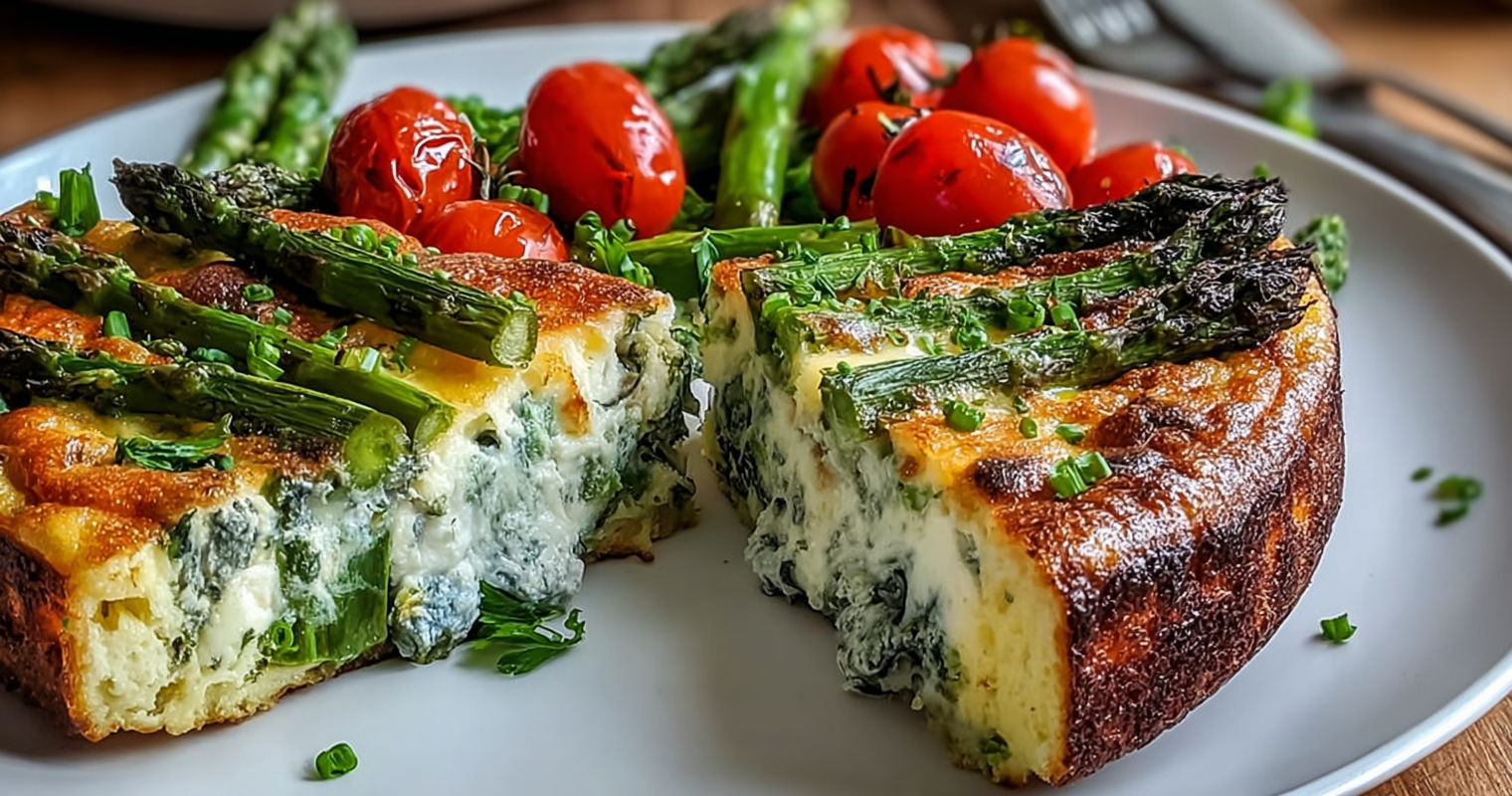
Now that we’ve laid the groundwork, let’s dive into the world of frittatas, where spring vegetables truly shine. A frittata is a unique egg dish that differs from omelets and quiches in preparation and texture. It’s thicker and generally cooked more slowly, giving you ample time to incorporate vegetables and flavors without the need for flipping.
As we transition into cooking, consider how spring vegetables bring not just color but also unique textures and tastes that elevate the entire dish. The freshness of the asparagus, the sweetness of the zucchini, and the earthiness of spinach converge in a delightful harmony that will enhance your spring dining experience.
Key Ingredients Explained
Let’s take a closer look at the essential ingredients that will make your spring frittata memorable:
- Eggs – The foundation of any frittata, providing protein and richness.
- Asparagus – Adds a tender crunch and earthy flavor to the dish.
- Zucchini – Offers a subtle sweetness and moisture that complements asparagus.
- Spinach – Provides a vibrant green color and an array of vitamins.
- Goat Cheese – Delivers a creamy texture and tangy flavor that balances the dish.
- Chives and Parsley – Fresh herbs that brighten the frittata, adding depth and aroma.
- Cherry Tomatoes – Introduces a burst of sweetness and vibrant pop of color.
- Milk or Cream – Enhances the creaminess and overall richness of the egg mixture.
For a different take on frittatas, check out our mushroom frittata which highlights the versatility of seasonal ingredients.
See the recipe card below for the full list of ingredients and measurements.
Step-by-Step Recipe Instructions
Ready to make a spring veggie frittata? Follow these easy steps:
- Preheat your oven to 375°F (190°C).
- In a large oven-safe skillet, heat a drizzle of olive oil over medium heat. Add asparagus and diced zucchini; sauté for about 3–4 minutes until they are just tender.
- Next, stir in chopped spinach, halved cherry tomatoes, and sliced green onions. Cook for an additional 2 minutes until the spinach is wilted.
- In a separate bowl, whisk together the eggs, splash of milk, and a pinch of salt and pepper until well combined.
- Pour the egg mixture evenly over the sautéed vegetables in the skillet. Sprinkle crumbled goat cheese, grated Parmesan, chopped chives, and parsley on top.
- Cook on the stove for approximately 3–4 minutes until the edges begin to set.
- Transfer the skillet to the oven and bake for 12–15 minutes, or until the center is puffy and fully set.
- Allow the frittata to cool for 5 minutes before slicing and serving.
With this straightforward recipe, you can create a dish that is not only delicious but also showcases the best of spring’s offerings! Add a few troubleshooting tips, such as how to prevent sticking or how to know when the frittata is done, and you’ll be set for culinary success.
Serving Suggestions and Pairings
Your spring veggie frittata can be enjoyed in myriad ways. Consider serving it alongside a fresh salad for added crunch and nutrition. A crisp green salad drizzled with a light vinaigrette perfectly complements the richness of the frittata.
Additionally, a few slices of warm, crusty bread or a tangy yogurt-based sauce can enhance your meal experience. For a delicious pairing, consider having your frittata with a side of creamy pasta with asparagus
To make your spring gathering even more delightful, serve your frittata with a Dutch Bros Golden Eagle coffee drink. The rich flavors of coffee complement the savory notes of the frittata.
Nutritional Information
This spring veggie frittata is not just tasty but also provides a nutritional boost. Here’s a breakdown of the key nutritional aspects:
- Calories: Approximately 260 calories per serving
- Protein: A solid source of protein from the eggs and cheese.
- Vitamins: Rich in vitamins A, C, and K from the vegetables.
This frittata fits beautifully into a healthy eating plan, providing essential nutrients while being satisfying and delicious.
Conclusion: Why You’ll Love This Frittata
With its vibrant colors, delicious flavors, and wholesome ingredients, this spring veggie frittata promises not only to tantalize your palate but also to nourish your body. The joy of cooking with fresh spring vegetables brings an added layer of excitement to the kitchen and makes for an ideal meal any time of day.
We encourage you to experiment with the seasonal ingredients available in your region. Whether you stick to the classic recipe or add your twist, this frittata is a delightful way to celebrate the season. After trying the frittata, impress your guests with a slice of Irish tea cake for dessert. Don’t miss out on the chance to take advantage of spring’s bounty!
FAQ
Can I use other vegetables instead of asparagus?
Absolutely! Feel free to substitute with other spring vegetables like peas, bell peppers, or even sautéed mushrooms for a unique twist.
How can I store leftover frittata?
Store any leftover frittata in an airtight container in the refrigerator for up to 3–4 days. You can also reheat it in the oven or microwave!
Can I make this frittata ahead of time?
Yes! You can prepare it ahead, then store it in the fridge. It makes for an easy and delicious meal throughout the week.
Is this frittata suitable for gluten-free diets?
Yes! This spring veggie frittata is gluten-free, making it a great option for those with gluten sensitivities.
What can I serve with the frittata?
This frittata pairs beautifully with a fresh salad, crusty bread, or a light sauce like a yogurt-based dressing for a complete meal.

Spring Veggie Frittata Asparagus
Ingredients
Vegetables
- 1 cup asparagus trimmed and cut into 1-inch pieces
- 1 cup baby spinach roughly chopped
- 1 small zucchini diced
- 1/2 cup cherry tomatoes halved
- 2 green onions sliced
Egg Mixture
- 8 large eggs
- 1/4 cup whole milk or cream
- 1/2 teaspoon salt
- 1/4 teaspoon freshly ground black pepper
Cheese and Herbs
- 4 oz goat cheese crumbled
- 2 tablespoons grated Parmesan cheese
- 2 tablespoons fresh chives chopped
- 1 tablespoon fresh parsley chopped
Cooking Ingredients
- 2 tablespoons olive oil
Instructions
- Preheat your oven to 375°F (190°C).
- In a large oven-safe skillet, heat olive oil over medium heat. Add asparagus and zucchini; cook for 3–4 minutes until just tender.
- Stir in spinach, cherry tomatoes, and green onions; cook for another 2 minutes until spinach wilts.
- In a large bowl, whisk together eggs, milk, salt, and pepper until well combined.
- Pour the egg mixture evenly over the vegetables in the skillet. Sprinkle with goat cheese, Parmesan, chives, and parsley.
- Cook on the stove for 3–4 minutes until the edges start to set.
- Transfer the skillet to the oven and bake for 12–15 minutes, or until the center is set and puffed.
- Let the frittata cool for 5 minutes before slicing and serving.