
Introduction
Few vegetables undergo such a dramatic and delicious transformation as cabbage does when roasted. What starts as a firm, sometimes overlooked head of cabbage can become a sweet, caramelized, and texturally interesting component that lifts simple dinners into memorable meals. Whether you’re looking to add more vegetables to your plate, find low-carb side options, or simply explore new flavors, roasted cabbage is an unexpectedly powerful tool in the kitchen.
This article dives into why roasted cabbage deserves a place on your weekly menu. We’ll explore what makes it unique, how roasting changes its character, global flavor pairings, cooking method comparisons, storage and meal-prep tips, serving inspiration, common mistakes to avoid, and answers to frequently asked questions. By the end, you should feel confident experimenting with cabbage beyond the coleslaw bowl.
What is Roasted Cabbage?
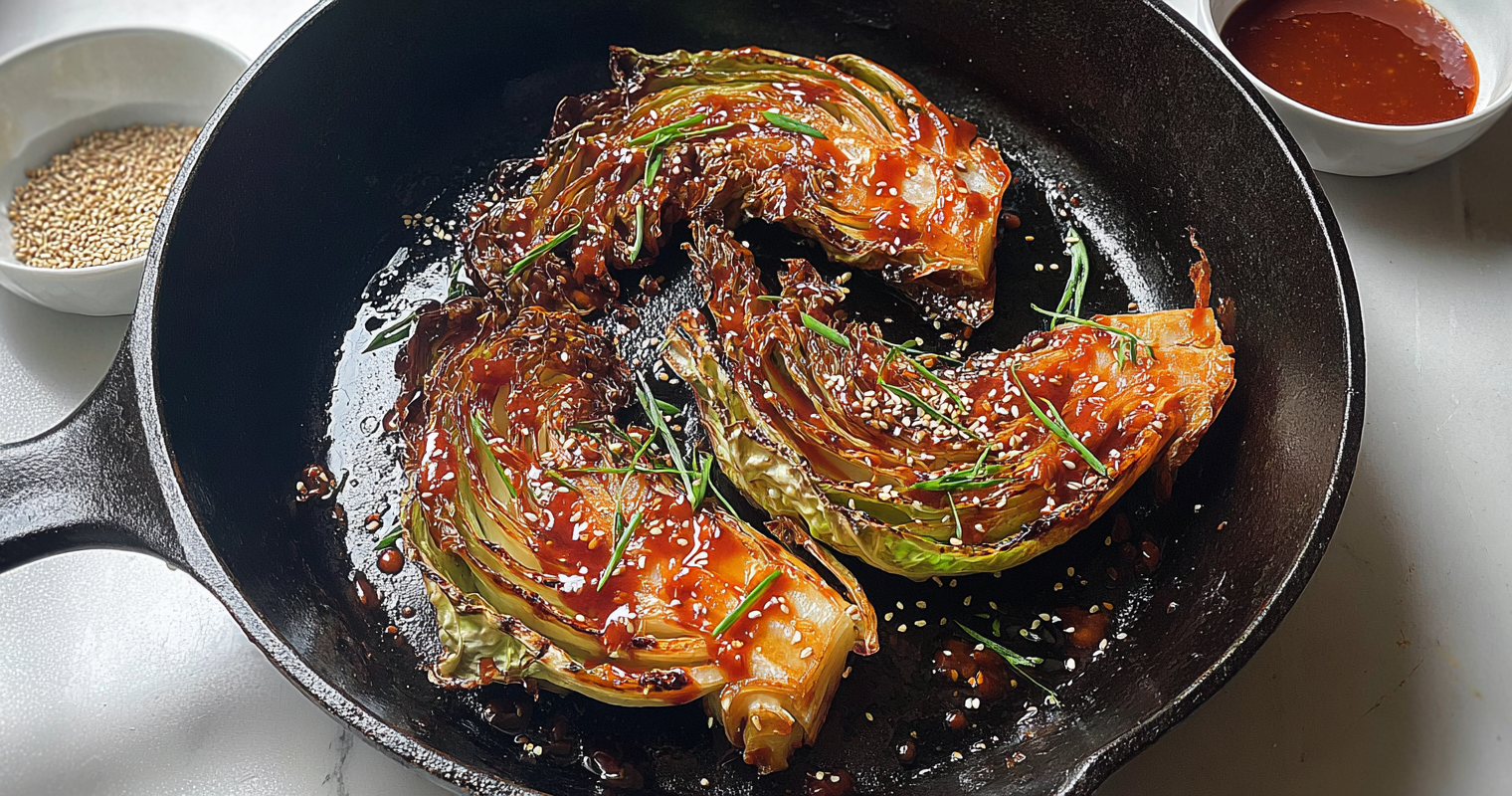
At its core, roasted cabbage refers to cabbage that has been exposed to dry heat until its outer layers develop browned, caramelized notes and its interior becomes tender. Unlike boiling or steaming, which soften cabbage and tend to preserve a mild, sometimes sulfurous taste, roasting concentrates flavors by driving off moisture and allowing natural sugars to react and brown. The result is a vegetable that feels both hearty and delicate.
Roasted cabbage can be prepared from whole wedges, thick slices, or shredded pieces, and each approach yields different textures. Thick slices or wedges often develop a crisp, lightly charred exterior with a soft center, while smaller pieces get deeper caramelization and a more uniform tenderness. The visual appeal—golden edges and seared color—also makes roasted cabbage a striking addition to a plate.
Why Roast Cabbage? The Sweet Transformation
Roasting catalyzes a chemical process called the Maillard reaction and caramelization of natural sugars. These transformations enhance sweetness and introduce nutty, complex savory notes that cabbage rarely shows when simply boiled or steamed. That sweet-savory balance is what makes roasted cabbage so compelling: it can act like a root vegetable in flavor, despite being a leafy brassica.
Beyond flavor, cabbage offers clear nutritional benefits. It’s low in calories and carbohydrate density while being rich in fiber, vitamin C, vitamin K, and a variety of antioxidants. Cabbage also contains compounds like glucosinolates that are linked to beneficial metabolic and cellular effects. Roasting does not strip cabbage of these core nutrients as long as the cooking is moderate and not prolonged to the point of burning. For people managing calories or seeking nutrient-dense sides, roasted cabbage is an excellent choice.
Finally, roasting is forgiving and adaptable: you can take the same head of cabbage in multiple directions through seasoning, accompaniments, and serving contexts. It can be a rustic accompaniment on a family dinner or elevated for entertaining with the right pairings.
Flavor Pairings: Roasted Cabbage Around the World
What makes roasted cabbage so versatile is how well it integrates with global flavor palettes. Different cuisines highlight aspects of the vegetable—sweetness, bitterness, texture—so you can tailor roasted cabbage to fit many meals.
- Asian-inspired: Think toasted sesame, soy-based umami, miso, scallions, and a splash of rice vinegar or chili oil. These elements play off cabbage’s sweetness and add savory depth and acidity.
- Mediterranean and Middle Eastern: Olive oil, lemon, za’atar, sumac, and fresh herbs like parsley or dill pair beautifully. A sprinkle of salty cheese such as feta or labneh on warm cabbage introduces creaminess and contrast.
- Latin American: Cumin, smoked paprika, fresh lime, and chopped cilantro can turn roasted cabbage into a smoky, vibrant side that complements grilled meats and beans. Chipotle or guajillo flavors add heat and smokiness.
- Eastern European: Caraway, mustard seeds, and a touch of vinegar or sauerkraut-style acidity echo traditional cabbage preparations while offering a roasted twist. Roasted cabbage can act as a heartier stand-in for braised cabbage in these contexts.
- North American comfort approaches: Butter, bacon or smoked proteins, and a hint of maple or brown sugar highlight the caramelized sweetness and create a rich, comforting side dish.
These pairings show how roasted cabbage bridges cuisines: it absorbs and amplifies flavors while contributing its own caramelized sweetness.
Cooking Techniques: Roasting, Grilling, and Sautéing
Although this article centers on roasting, it helps to understand how roasting compares to grilling and sautéing so you can choose the right method for your goals.
- Roasting: Dry heat in an oven or hot air environment promotes even caramelization and tenderness without requiring constant attention. Roasting is ideal when you want a balance of crisp edges and soft interiors. It’s also great for larger portions and batch cooking.
- Grilling: Grilling adds intense char and smoky notes from direct flame contact. Thicker slices or wedges benefit most from grilling because they can develop grill marks and concentrated smoky flavor while retaining a firm center. Grilling is perfect for outdoor gatherings and when you want a bold, charred profile.
- Sautéing: Sautéing in a pan gives fast, high-heat browning and is excellent for shredded or thinly sliced cabbage. The technique encourages quick Maillard reactions and allows for easy seasoning adjustments during cooking. Sautéed cabbage is more delicate and cooks faster than roasted pieces.
Choosing between these methods depends on time, equipment, and desired texture. Roasting is the hands-off choice for even, deep caramelization; grilling is best for smoky char; sautéing is ideal for quick, browner, more uniformly tender results.
Tips for Storing Roasted Cabbage for Meal Prep
Roasted cabbage stores well and can be a practical component of weekly meal prep when handled properly. Follow these principles to preserve flavor and texture:
- Cool completely before packing to avoid condensation, which can make cabbage soggy.
- Use airtight containers for refrigeration; glass or BPA-free plastic containers work well. Refrigerated roasted cabbage keeps for up to four days.
- Freeze for longer storage if needed. Blanched vegetables freeze better generally, but roasted cabbage can be frozen in flat portions for up to 2–3 months. Expect some texture softening on thawing—perfect for soups, stews, or blended uses.
- Separate dressings and wet components when possible. Acidic dressings or saucy toppings can make roasted cabbage limp if stored together for long periods.
- Reheating: Reheat gently to restore some crispness—use a hot oven, air fryer, or a skillet on medium-high heat rather than the microwave to avoid sogginess. Add a sprinkle of fresh herbs or a squeeze of citrus after reheating to brighten flavors.
Meal prep ideas include adding roasted cabbage to grain bowls, layering it in sandwiches or wraps, mixing it into salads for warm textures, or incorporating it into breakfast skillet dishes.
Serving Suggestions for Your Roasted Cabbage
Roasted cabbage is a chameleon on the plate. Its versatility opens many serving possibilities:
- Simple side dish: Serve with a drizzle of extra-virgin olive oil, a squeeze of lemon, and flaky salt. Let the caramelized edges shine.
- Salad element: Toss warm roasted cabbage with arugula, toasted nuts, and a bright vinaigrette; the contrast of warm and cold elevates a basic salad.
- Grain bowls and bowls: Use roasted cabbage as the vegetable component in bowls alongside quinoa, farro, roasted chickpeas, and a yogurt or tahini dressing.
- Sandwiches and wraps: Add shredded or sliced roasted cabbage for crunch, sweetness, and visual appeal. It pairs particularly well with grilled proteins, cheeses, and spicy spreads.
- As a base for mains: Top roasted cabbage with braised beans, sautéed mushrooms, or pan-seared fish for a simple main course that’s visually attractive and satisfying.
- Tacos and flatbreads: Roasted cabbage adds texture and a sweet note to tacos in place of or alongside slaw. On flatbreads or pizzas, it brings a depth of flavor that pairs well with cheeses and robust toppings.
Think of roasted cabbage as a versatile supporting player that can harmonize with robust proteins or stand out in vegetable-forward dishes.
Common Myths and Mistakes About Roasted Cabbage
Some misconceptions and common errors can keep home cooks from getting the best from roasted cabbage. Recognizing these helps you avoid pitfalls and get consistent results.
- Myth — Cabbage is bland: Raw cabbage can be mild, but roasting unlocks latent sugars and savory notes, transforming it into a richly flavored component. Pair it with complementary seasonings to highlight those qualities.
- Mistake — Overcrowding the pan: Crowding prevents proper browning and promotes steaming. Give pieces space to develop caramelized edges.
- Mistake — Uneven pieces: Cutting cabbage into nonuniform sizes leads to inconsistent cooking. Uniform pieces promote even caramelization and texture.
- Myth — Roasted cabbage is always mushy: Proper technique yields tender centers with pleasantly crisp edges. Avoid prolonged low-temperature cooking that only softens without browning.
- Mistake — Skipping seasoning: Cabbage benefits from salt, acid, and fat. Seasoning before or after roasting matters; finishing with acid brightens the dish and cuts through richness.
- Myth — It’s only a side dish: While excellent as a side, roasted cabbage can be a main component in vegetarian plates, grain bowls, and composed salads. Think creatively.
Frequently Asked Questions about Roasted Cabbage
What are the benefits of eating roasted cabbage?
Roasted cabbage offers several health benefits, including being low in calories, high in nutrients, and potentially reducing inflammation while improving digestion.
How should I store roasted cabbage for meal prep?
To store roasted cabbage, allow it to cool completely, then refrigerate in an airtight container for up to 4 days or freeze for longer storage. Reheat gently to maintain its flavor and texture.
What spices pair well with roasted cabbage?
Spices such as turmeric, coriander, cumin, and black pepper enhance the flavor of roasted cabbage, making it a delicious addition to any dish.
What are common mistakes to avoid when roasting cabbage?
Common mistakes include not cutting the cabbage into uniform pieces for even cooking, overcrowding the baking sheet, and not allowing enough time for proper caramelization.
How does roasting cabbage change its flavor and texture?
Roasting cabbage caramelizes its natural sugars, enhancing its sweetness and creating a tender yet slightly crispy texture that differs from other cooking methods.
Can I use leftover roasted cabbage in other dishes?
Absolutely! Leftover roasted cabbage works well in salads, sandwiches, or as a flavorful addition to grain bowls and stir-fries.
How do I choose the best cabbage for roasting?
Look for firm, compact heads of cabbage with crisp leaves. Choose green, red, or savoy cabbage based on your flavor preference and desired aesthetics.
Conclusion
Roasted cabbage is one of those simple culinary shifts that yield unexpectedly complex results. Through caramelization and careful pairing, cabbage becomes sweet, nutty, and texturally interesting—ready to play multiple roles on your plate. It’s nutritious, budget-friendly, and adaptable to global flavors, making it a valuable addition to both weeknight routines and special meals.
Whether you’re aiming to add more vegetables to your diet, find a make-ahead component for meal prep, or experiment with global seasonings, roasted cabbage is a small change that can make a big difference. Try varying the cooking method, experimenting with spices, and incorporating leftovers into new dishes. Embrace the potential of roasted cabbage and let it transform how you think about this humble vegetable.